Busan Pioneers South Korea’s First Eco-Friendly Atlantic Salmon Farm
Busan, South Korea - Busan’s Fisheries Resources Research Institute has set a new standard in sustainable aquaculture by successfully farming Atlantic salmon using a recirculating aquaculture system (RAS). This marks the first time that such a system has been implemented in South Korea, a significant stride towards eco-friendly fish farming practices in the region. The milestone was celebrated with a public tasting event on August 28, 2024, at Busan City Hall, offering the public a first taste o

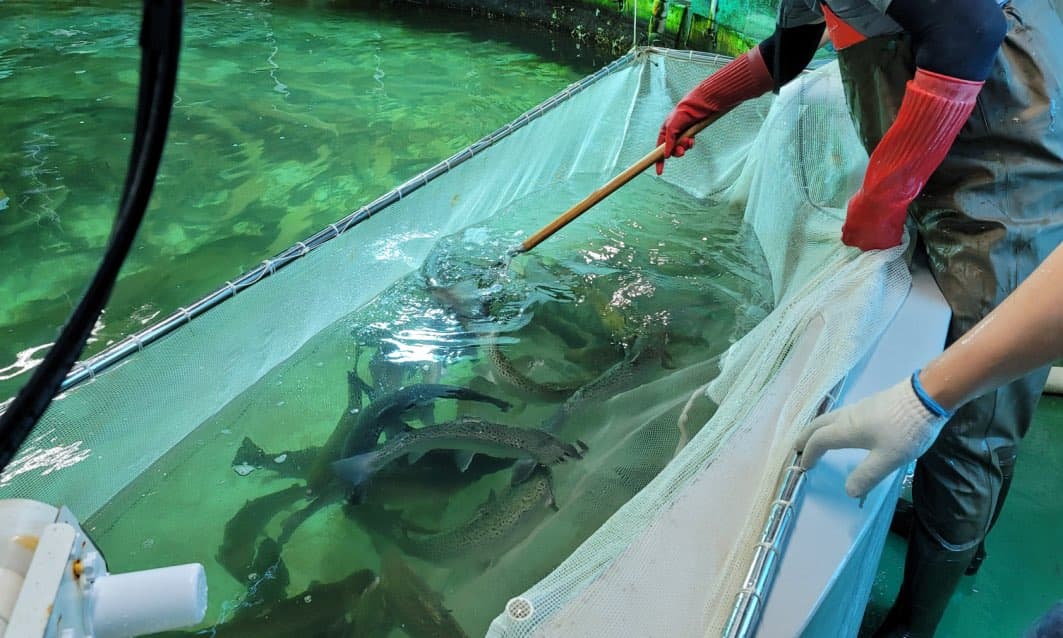
Busan, South Korea - Busan’s Fisheries Resources Research Institute has set a new standard in sustainable aquaculture by successfully farming Atlantic salmon using a recirculating aquaculture system (RAS). This marks the first time that such a system has been implemented in South Korea, a significant stride towards eco-friendly fish farming practices in the region. The milestone was celebrated with a public tasting event on August 28, 2024, at Busan City Hall, offering the public a first taste of the locally farmed salmon and showcasing the potential of this groundbreaking method.
Atlantic salmon is one of the most consumed fish species worldwide, with South Korea importing more than 76,500 tons annually. However, traditional fish farming methods have long been criticized for their environmental impact, particularly the excessive use of water and the potential for pollution. The introduction of RAS technology in Busan addresses these concerns head-on.
RAS operates by filtering and reusing water within a closed-loop system, drastically reducing the environmental footprint of aquaculture. This method not only conserves water but also minimizes waste, making it an ideal solution for sustainable fish farming. In December 2021, the research institute began its journey by importing salmon eggs, which were nurtured to maturity in this controlled environment, culminating in the first successful harvest of fully grown Atlantic salmon.
Busan’s success places it on the global map alongside other pioneering efforts in sustainable aquaculture. Similar projects have been undertaken in various parts of the world, with significant achievements noted in Switzerland, the United States, and Canada.
In Switzerland, Swiss Alpine Fish operates a RAS facility in Lostallo, which has been producing high-quality Atlantic salmon since its inception. This facility is known for its commitment to environmental sustainability, producing salmon without the use of antibiotics or harmful chemicals, a practice that aligns with consumer demand for responsibly sourced seafood.
Meanwhile, in the United States, AquaBounty is constructing a large-scale RAS-based Atlantic salmon farm in Pioneer, Ohio. This project, expected to be a model for future aquaculture operations, is designed to be highly productive and sustainable, emphasizing the growing shift towards land-based fish farming in North America. Similarly, Whole Oceans in Maine is expanding its RAS facility to further its mission of producing sustainable Atlantic salmon, highlighting the increasing importance of eco-friendly practices in the aquaculture industry.
The implications of Busan’s success extend beyond environmental benefits. The introduction of RAS technology is expected to open new economic opportunities for local fisheries, providing a sustainable and profitable alternative to traditional methods. As global demand for sustainable seafood continues to rise, Busan’s initiative could attract further investment and establish South Korea as a key player in the international aquaculture market.
The public tasting event at Busan City Hall not only served to introduce the locally farmed salmon to the community but also demonstrated the quality and viability of this new farming method. Over a thousand visitors attended, many of whom praised the fresh taste and expressed their support for the city’s commitment to sustainable practices.
As Busan continues to develop its RAS technology, the city plans to expand its efforts to other fish species, aiming to enhance the sustainability of South Korea’s aquaculture industry. With the global population on the rise, and increasing pressures on wild fish stocks, initiatives like Busan’s are critical for ensuring a stable and environmentally responsible food supply.
Continue this reporting
Reporting on the same issue
Related coverage selected from the article's desk, topics and newsroom relationships.
 NewsOct 16, 2026
What Is Still Worth Going to See?
Busan’s biennale faces questions of artistic judgment and institutional care....
 NewsOct 14, 2026
What Became of Busan’s University Streets?
From 2015 to 2023, registered businesses grew near Pusan National University...
 NewsOct 12, 2026
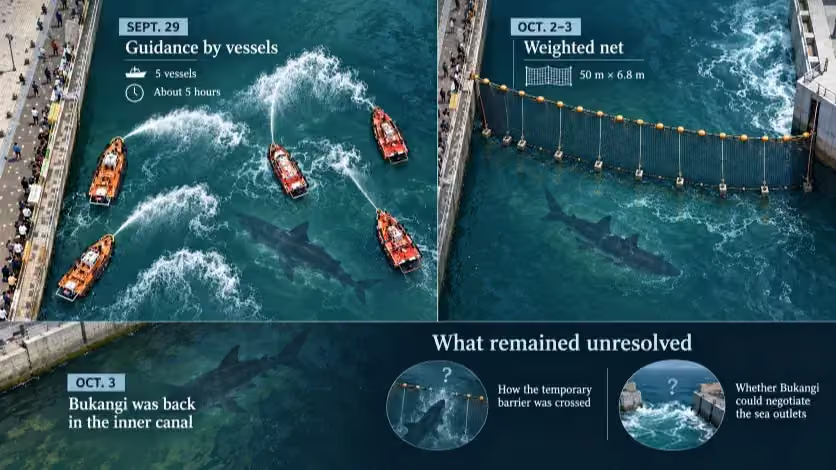
Bukangi, the Shark That Stayed in Busan’s North Port
A rescue net guided Bukangi toward the sea, but the dusky shark returned to B...
More from the author
More from this byline
Stay with the same line of reporting through more work from this byline.
 NewsOct 9, 2026
Why “Busan Is Good” Falls Short as a City Brand
 NewsSep 18, 2026
The Other AI Race Is for the Freedom to Change Course
Reader Signal
Community readWhat did this report leave you with?
Choose the signal that best reflects your reading. Select it again to remove it.
One response per article
No response selected
A moderated conversation about the reporting.
One-level replies and newsroom moderation keep the conversation anchored to this article.
Discussion Status
Open
Please sign in to join the discussion.
Newsletter
Weekly reporting and context from Busan and Korea.