Busan Libraries Celebrate Han Kang’s Nobel Win with City-Wide Events
Busan, South Korea - Han Kang’s recent Nobel Prize in Literature marks a significant moment for South Korea and global literature. To celebrate this achievement, Busan's 53 public libraries have launched a city-wide initiative, creating special spaces for the community to explore and engage with her work. This extensive celebration reflects a commitment to honoring Korean literature while inspiring readers of all ages. Han Kang’s body of work is known for its introspective, often raw exploratio

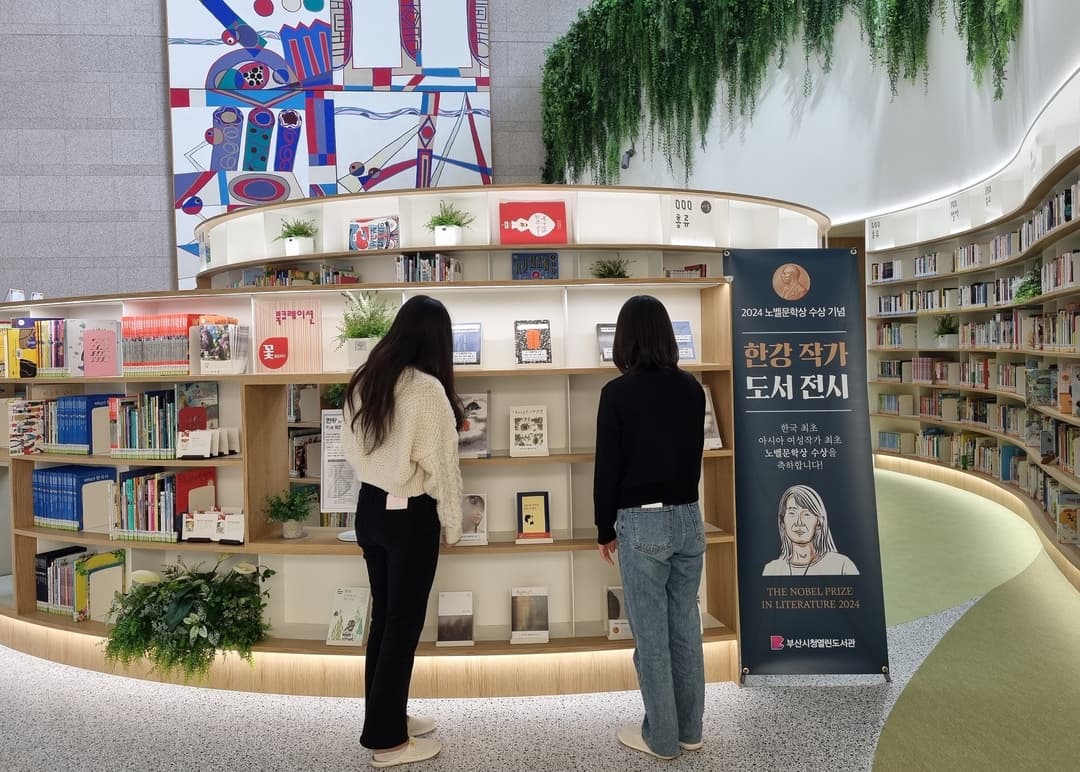
Busan, South Korea - Han Kang’s recent Nobel Prize in Literature marks a significant moment for South Korea and global literature. To celebrate this achievement, Busan's 53 public libraries have launched a city-wide initiative, creating special spaces for the community to explore and engage with her work. This extensive celebration reflects a commitment to honoring Korean literature while inspiring readers of all ages.
Han Kang’s body of work is known for its introspective, often raw explorations of trauma, identity, and resilience. Internationally acclaimed works like The Vegetarian and Human Acts delve into complex, universal themes that resonate deeply with readers. Her writing, described by the Nobel committee as both “lyrical and unflinching,” has earned her a Nobel Prize, the first for a Korean author. Han Kang's literature, rooted in the Korean experience but universal in its appeal, speaks to readers worldwide, often challenging societal norms while highlighting deeply human struggles.
To honor Han Kang’s literary achievements, Busan’s public libraries have organized a series of events, making her works accessible to the public through various programs and exhibits. Highlights include book displays, lectures analyzing her major works, reading groups for community discussions, and a unique “copy-by-hand” experience where participants engage with her prose more personally. The events cater to a diverse audience, including a youth-focused session on Human Acts and themed lectures explaining Nobel Prize-winning literature. This multi-layered approach allows readers to explore Han Kang’s works in both structured and reflective ways.
The celebration of Han Kang’s Nobel win has sparked what some are calling the "Han Kang Effect," a surge in interest in her works and Korean literature at large. The demand for her books has led Busan’s libraries to procure additional copies from local bookstores, ensuring accessibility for eager readers and benefiting the regional economy. The increase in library visits and book checkouts highlights a growing appreciation for Korean literature among readers, fostering a communal reading experience that enhances cultural pride and awareness.
By purchasing additional copies from regional bookstores, libraries are supporting local businesses. The initiative is equally an educational endeavor, with programming aimed at young readers and families to foster an appreciation for literature and learning. Such library events play a pivotal role in encouraging reading among youth, promoting not just literary knowledge but also a sense of connection to Korean culture and history.
Han Kang’s Nobel Prize represents a milestone in South Korean literature, and Busan’s city-wide celebration brings this achievement closer to the community. Through extensive programming, public support, and educational outreach, Busan’s libraries offer readers a chance to immerse themselves in Han Kang’s thought-provoking prose. As Korean literature gains international acclaim, such initiatives may inspire a new wave of literary appreciation both domestically and worldwide, underscoring the profound influence of stories that connect deeply with human experience.
Continue this reporting
Reporting on the same issue
Related coverage selected from the article's desk, topics and newsroom relationships.
 NewsOct 16, 2026
What Is Still Worth Going to See?
Busan’s biennale faces questions of artistic judgment and institutional care....
 NewsOct 14, 2026
What Became of Busan’s University Streets?
From 2015 to 2023, registered businesses grew near Pusan National University...
 NewsOct 12, 2026
Bukangi, the Shark That Stayed in Busan’s North Port
A rescue net guided Bukangi toward the sea, but the dusky shark returned to B...
More from the author
More from this byline
Stay with the same line of reporting through more work from this byline.
 NewsOct 9, 2026
Why “Busan Is Good” Falls Short as a City Brand
 NewsSep 18, 2026
The Other AI Race Is for the Freedom to Change Course
Reader Signal
Community readWhat did this report leave you with?
Choose the signal that best reflects your reading. Select it again to remove it.
One response per article
No response selected
A moderated conversation about the reporting.
One-level replies and newsroom moderation keep the conversation anchored to this article.
Discussion Status
Open
Please sign in to join the discussion.
Newsletter
Weekly reporting and context from Busan and Korea.