Busan Leads Social Innovation with Nation’s First Regional Social Service Plan
Busan, South Korea - The City of Busan, in collaboration with the Busan Public Agency for Social Service (PASS), has unveiled South Korea’s first regional "Social Service Plan" for the years 2024 to 2028. As the first municipality to act on the national "Social Service Master Plan" released in late 2023, Busan is setting a bold precedent for localized, citizen-focused policy development. Under the slogan "15-Minute Happy City Busan, Accessible Social Services for All," the plan introduces a com

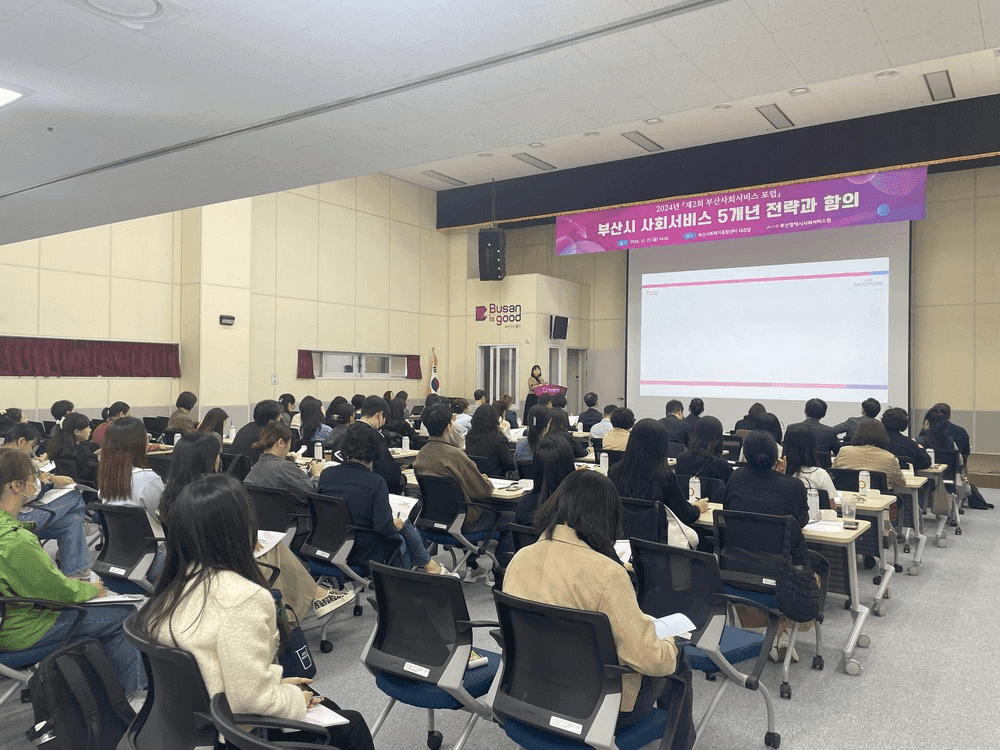
Busan, South Korea - The City of Busan, in collaboration with the Busan Public Agency for Social Service (PASS), has unveiled South Korea’s first regional "Social Service Plan" for the years 2024 to 2028. As the first municipality to act on the national "Social Service Master Plan" released in late 2023, Busan is setting a bold precedent for localized, citizen-focused policy development.
Under the slogan "15-Minute Happy City Busan, Accessible Social Services for All," the plan introduces a comprehensive approach to addressing the city's evolving social needs. With a population facing rapid aging, low birth rates, and new forms of social vulnerability, the initiative reflects Busan's commitment to ensuring that no resident is left behind.
At the heart of the plan lies a vision to create an inclusive and connected community where essential social services are accessible within 15 minutes for every resident. This ambition is underpinned by three core strategies: providing inclusive care, expanding service availability, and enhancing the overall quality of social services.
Busan’s approach to "Inclusive Care" emphasizes support for emerging vulnerable groups, such as individuals with borderline intellectual functioning—a group whose IQ typically falls between 70 and 85, making them more vulnerable to challenges in education, employment, and social adaptation. Tailored services are being designed to address these unique challenges, while also focusing on traditional needs like elderly care and childcare. In addition, the city plans to develop services that span critical areas such as housing, employment, and environmental support.
The second strategic pillar focuses on expanding service delivery. Small-scale providers, often struggling to gain a foothold in the competitive social service market, will benefit from targeted support to scale their operations. Efforts to diversify and professionalize service providers aim to meet growing demands while creating a sustainable social services infrastructure.
Finally, the plan seeks to raise service quality through robust workforce development and innovative technologies. By improving conditions for social service workers and integrating advanced tools, Busan aims to deliver services that are not only effective but also efficient. A strong public-private partnership model, known as governance, will ensure that stakeholders from all sectors are aligned in their efforts.
The plan’s development has been a model of collaboration and citizen engagement. Public forums, such as a regional symposium held in October 2024, brought together experts, service providers, and local stakeholders to shape its direction. To further ensure that the plan reflects the needs of Busan residents, an online survey gathered feedback from over 2,800 citizens.
This thorough process has already earned national recognition. During a workshop hosted by the Ministry of Health and Welfare earlier this month, Busan’s initiative was showcased as a best practice, sparking interest from other municipalities eager to emulate its success.
Director of the Busan Public Agency for Social Service (PASS), highlighted the importance of this recognition, stating, “This plan ensures that Busan citizens receive high-quality, inclusive social services, further strengthening public trust.”
Looking ahead, Busan plans to integrate the new regional plan into its ongoing "5th Regional Community Social Security Plan (2023–2026)." Detailed action plans and monitoring frameworks will be implemented to ensure its successful execution. Officials have committed to biannual reviews, allowing for continuous refinement and improvement based on performance data.
As Busan takes the lead in pioneering regional social service planning, its success could inspire other regions to follow suit. The city’s bold steps toward inclusivity, sustainability, and quality highlight the potential for localized strategies to drive meaningful social change.
Continue this reporting
Reporting on the same issue
Related coverage selected from the article's desk, topics and newsroom relationships.
 NewsOct 16, 2026
What Is Still Worth Going to See?
Busan’s biennale faces questions of artistic judgment and institutional care....
 NewsOct 14, 2026
What Became of Busan’s University Streets?
From 2015 to 2023, registered businesses grew near Pusan National University...
 NewsOct 12, 2026
Bukangi, the Shark That Stayed in Busan’s North Port
A rescue net guided Bukangi toward the sea, but the dusky shark returned to B...
More from the author
More from this byline
Stay with the same line of reporting through more work from this byline.
 NewsOct 9, 2026
Why “Busan Is Good” Falls Short as a City Brand
 NewsSep 18, 2026
The Other AI Race Is for the Freedom to Change Course
Reader Signal
Community readWhat did this report leave you with?
Choose the signal that best reflects your reading. Select it again to remove it.
One response per article
No response selected
A moderated conversation about the reporting.
One-level replies and newsroom moderation keep the conversation anchored to this article.
Discussion Status
Open
Please sign in to join the discussion.
Newsletter
Weekly reporting and context from Busan and Korea.