Busan Launches South Korea's First Personal Mobility-Transit Discount Program
Busan Metropolitan City has initiated a pilot discount program that connects Personal Mobility Devices (PMDs) with the public transportation system. This initiative, reported to be the first in South Korea, offers a 500 KRW discount for users who transfer to public transportation within 30 minutes of using a PMD. The program is part of Busan's efforts to enhance urban connectivity and promote the use of environmentally friendly transportation methods. The program is aligned with Busan's "Busan

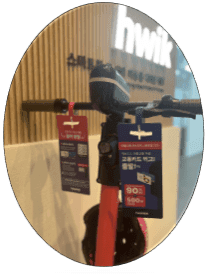
Busan Metropolitan City has initiated a pilot discount program that connects Personal Mobility Devices (PMDs) with the public transportation system. This initiative, reported to be the first in South Korea, offers a 500 KRW discount for users who transfer to public transportation within 30 minutes of using a PMD. The program is part of Busan's efforts to enhance urban connectivity and promote the use of environmentally friendly transportation methods.
The program is aligned with Busan's "Busan Public Transport Innovation Plan," aiming to incorporate shared Personal Mobility Devices (PMDs) as an effective solution for first and last-mile transit. The initiative seeks to not only encourage sustainable transportation options but also to leverage the economic, efficient, and environmentally friendly benefits of shared PMDs. It is anticipated to enhance mobility for short distances and is regarded as a significant move toward evolving urban transportation systems.
In response to a memorandum of understanding with PMD companies and payment system operators, Busan has focused on enhancing the safety and ease of access to shared PMDs. With a 150 million KRW investment from transport card companies for administrative support, the project aims to streamline the user experience by reducing the need for multiple applications and QR code scanning. Users are facilitated with a simpler process, involving a one-time transport card registration for discounts when transferring between PMDs and other public transport modes.
Unlike Seoul, which applies a fixed-rate discount for transfers between public bicycles and other transit methods, Busan's program specifically targets PMD users, offering instant discounts via transport card swipes. This method represents a unique effort to improve urban mobility within the city.
Initiated on March 1, the pilot covers areas around Pusan National University, including key transport stations within Geumjeong District. Starting with 50 PMDs and extending to buses, the plan is to broaden the scope to subways by May, aiming for a total deployment of 200 PMDs. Mayor Park Heong-joon has shown optimism for the program's growth, highlighting its role in advancing Busan towards the realization of a "15-minute city" concept and a sustainable personal mobility network.
By fostering the adoption of green personal mobility solutions and enhancing the connectivity of public transport, Busan is setting an example for urban centers globally in the pursuit of more effective and sustainable transportation frameworks.
Continue this reporting
Reporting on the same issue
Related coverage selected from the article's desk, topics and newsroom relationships.
 NewsOct 16, 2026
What Is Still Worth Going to See?
Busan’s biennale faces questions of artistic judgment and institutional care....
 NewsOct 14, 2026
What Became of Busan’s University Streets?
From 2015 to 2023, registered businesses grew near Pusan National University...
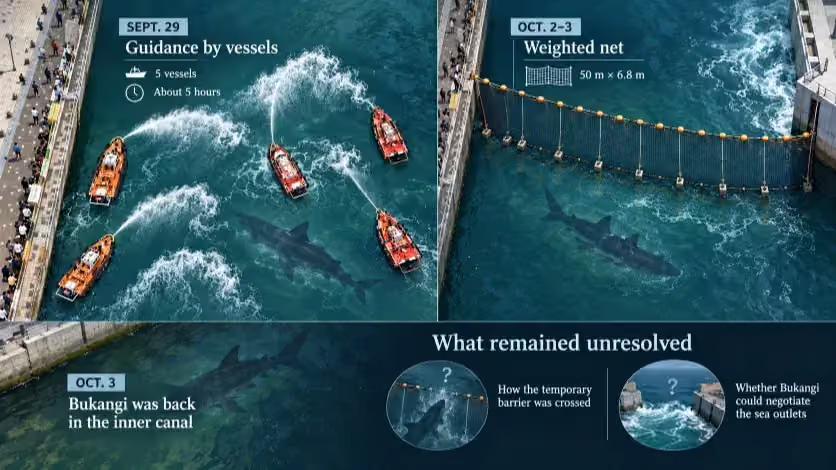 NewsOct 12, 2026
Bukangi, the Shark That Stayed in Busan’s North Port
A rescue net guided Bukangi toward the sea, but the dusky shark returned to B...
More from the author
More from this byline
Stay with the same line of reporting through more work from this byline.
 NewsOct 9, 2026
Why “Busan Is Good” Falls Short as a City Brand
 NewsSep 18, 2026
The Other AI Race Is for the Freedom to Change Course
Reader Signal
Community readWhat did this report leave you with?
Choose the signal that best reflects your reading. Select it again to remove it.
One response per article
No response selected
A moderated conversation about the reporting.
One-level replies and newsroom moderation keep the conversation anchored to this article.
Discussion Status
Open
Please sign in to join the discussion.
Newsletter
Weekly reporting and context from Busan and Korea.