Busan Launches South Korea’s First Hydrogen-Fueled Ship R&D Platform
Busan, South Korea - Busan City is setting a new standard in eco-friendly maritime innovation with the inauguration of South Korea’s first "Hydrogen-Fueled Ship R&D Platform." The center, located at the Uam Pier Maritime Industrial Cluster, is a strategic initiative to position the city as a leader in hydrogen-powered ship technology. This development is aligned with international efforts to combat climate change, particularly the International Maritime Organization's (IMO) ambitious goal of ach

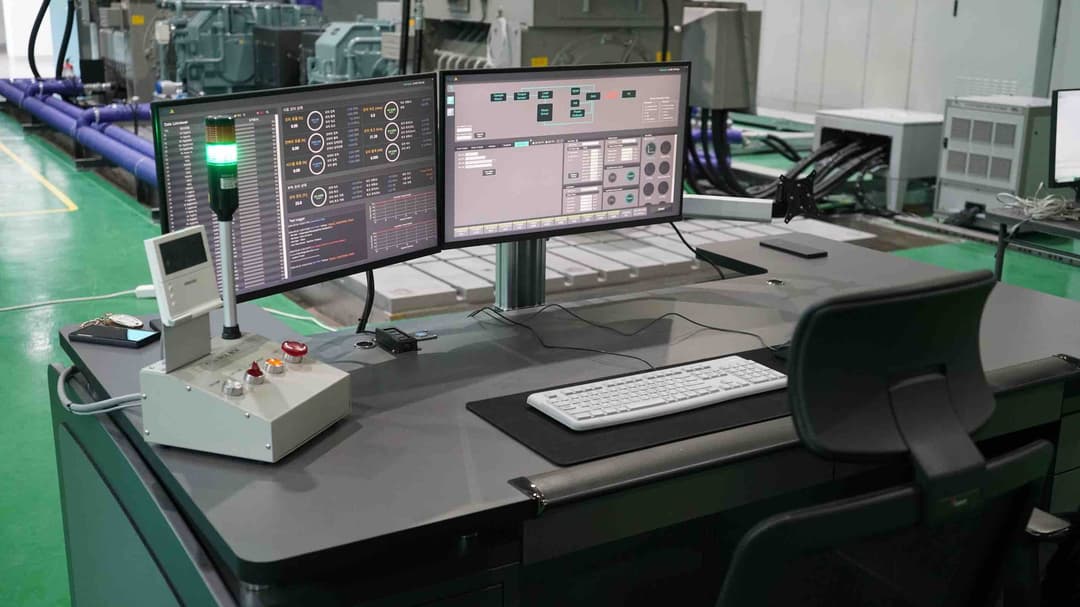
Busan, South Korea - Busan City is setting a new standard in eco-friendly maritime innovation with the inauguration of South Korea’s first "Hydrogen-Fueled Ship R&D Platform." The center, located at the Uam Pier Maritime Industrial Cluster, is a strategic initiative to position the city as a leader in hydrogen-powered ship technology. This development is aligned with international efforts to combat climate change, particularly the International Maritime Organization's (IMO) ambitious goal of achieving net-zero greenhouse gas (GHG) emissions from shipping by 2050.
The IMO has laid out a roadmap for the global shipping industry to significantly reduce emissions, with intermediate targets of a 20% reduction by 2030 and a 70% cut by 2040, all based on 2008 levels. By 2050, the shipping industry is expected to achieve net-zero emissions. These targets place immense pressure on shipbuilders and maritime operators to shift away from conventional fossil fuels to cleaner alternatives such as hydrogen, green ammonia, and other zero-carbon fuels.
On September 20, 2024, Busan’s new platform officially opened its doors. The event was attended by high-profile figures, including Busan Mayor Park Heong-joon, as well as academic and industry leaders. The facility, covering over 2,900 square meters, is equipped with state-of-the-art research and testing equipment designed to support the development of hydrogen-fueled ships. These technologies include hydrogen fuel storage systems, electric propulsion systems, and fuel cells—key components that will drive the future of green shipping.
Busan’s platform arrives at a time when the global maritime industry is undergoing a profound transformation. Countries around the world are increasingly investing in hydrogen technologies to meet both environmental goals and economic demands. South Korea’s proactive stance, with Busan as a hub, offers significant opportunities for export growth and job creation in the green maritime sector.
By supporting research in hydrogen propulsion and energy storage systems, the platform will not only help South Korean shipbuilders reduce emissions but will also enhance their competitiveness in the international market. As Germany, Norway, and other maritime leaders ramp up their green hydrogen infrastructure, South Korea is well-placed to compete and collaborate on a global scale.
Hydrogen is considered one of the most promising fuels for decarbonizing shipping. Green hydrogen, produced through the electrolysis of water using renewable energy, is the cleanest form, emitting no carbon during its production. However, the high cost of green hydrogen, along with challenges related to storage and distribution, remains a hurdle. Busan’s new platform is dedicated to tackling these issues, working towards making hydrogen-powered ships a commercially viable option for the global market.
The success of the Hydrogen-Fueled Ship R&D Platform will rely on collaboration between government bodies, academic institutions like Pusan National University, and private industry partners. Together, these stakeholders will push the boundaries of hydrogen technology, driving forward the development of sustainable maritime solutions. In addition to the technological advances, the platform will play a key role in training a new generation of engineers and researchers skilled in hydrogen and fuel cell technology.
While Busan takes strides in leading eco-friendly maritime technology, it faces stiff competition from global initiatives. Countries like Germany are investing heavily in green hydrogen production, while Norway has made significant advances in maritime decarbonization. As the maritime industry braces for the inevitable transition to clean fuels, the race to meet IMO’s 2050 target has intensified. Busan’s platform positions South Korea as a key player in this race, ensuring the nation remains competitive in the evolving green economy.
The launch of the Hydrogen-Fueled Ship R&D Platform is a pivotal moment for Busan, South Korea, and the global shipping industry. By spearheading research and innovation in hydrogen technology, Busan is not only addressing the environmental challenges posed by IMO regulations but also creating economic opportunities that could define the future of the shipbuilding industry. As the world transitions to a low-carbon economy, platforms like this will be instrumental in shaping the maritime industry for decades to come.
Continue this reporting
Reporting on the same issue
Related coverage selected from the article's desk, topics and newsroom relationships.
 NewsOct 16, 2026
What Is Still Worth Going to See?
Busan’s biennale faces questions of artistic judgment and institutional care....
 NewsOct 14, 2026
What Became of Busan’s University Streets?
From 2015 to 2023, registered businesses grew near Pusan National University...
 NewsOct 12, 2026
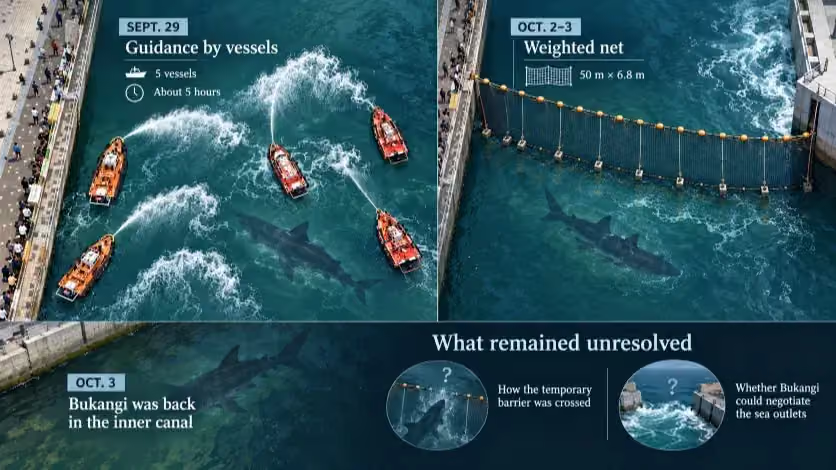
Bukangi, the Shark That Stayed in Busan’s North Port
A rescue net guided Bukangi toward the sea, but the dusky shark returned to B...
More from the author
More from this byline
Stay with the same line of reporting through more work from this byline.
 NewsOct 9, 2026
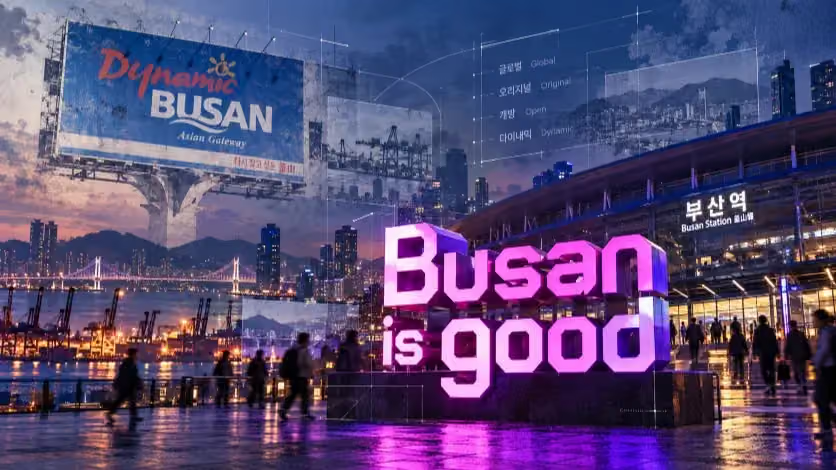
Why “Busan Is Good” Falls Short as a City Brand
 NewsSep 18, 2026
The Other AI Race Is for the Freedom to Change Course
Reader Signal
Community readWhat did this report leave you with?
Choose the signal that best reflects your reading. Select it again to remove it.
One response per article
No response selected
A moderated conversation about the reporting.
One-level replies and newsroom moderation keep the conversation anchored to this article.
Discussion Status
Open
Please sign in to join the discussion.
Newsletter
Weekly reporting and context from Busan and Korea.