Busan Implements Plastic Flower Ban in Cemeteries to Promote Sustainability
Busan, South Korea -Busan has announced an initiative to prohibit the use of plastic flowers in public cemeteries starting in 2025. This measure is aimed at addressing environmental concerns related to plastic waste. As part of the initiative, the city recently conducted a cleanup effort, removing 7.1 tons of plastic flowers from Busan Yeongnak Park. The cleanup was carried out in collaboration with the Busan Facilities Corporation and senior job program participants. The use of artificial flow

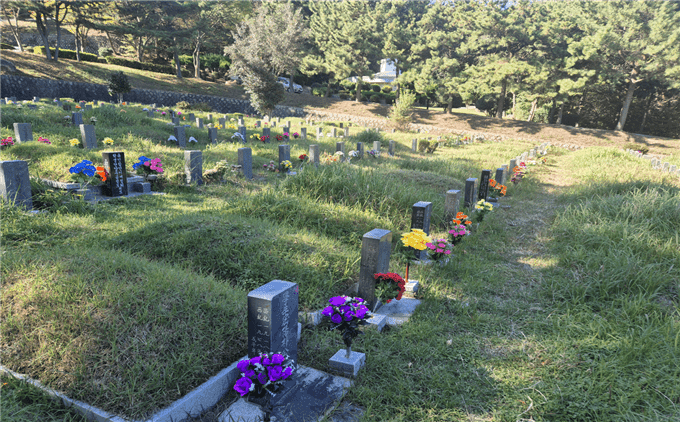
Busan, South Korea -Busan has announced an initiative to prohibit the use of plastic flowers in public cemeteries starting in 2025. This measure is aimed at addressing environmental concerns related to plastic waste. As part of the initiative, the city recently conducted a cleanup effort, removing 7.1 tons of plastic flowers from Busan Yeongnak Park. The cleanup was carried out in collaboration with the Busan Facilities Corporation and senior job program participants.
The use of artificial flowers in memorial services has been a long-standing tradition in Korea, especially during holidays such as Seollal (Lunar New Year). However, concerns have been raised regarding the environmental impact of plastic materials, which contribute to waste accumulation and microplastic pollution. In response, the city introduced the policy in 2023 through an agreement to reduce plastic usage in cemeteries, in alignment with upcoming discussions on global plastic reduction efforts.
The cleanup was conducted in two phases. The first phase in December 2024 resulted in the collection of 5.1 tons of plastic flowers, followed by the second phase in January 2025, which removed an additional 2 tons. The initiative involved collaboration among local authorities, environmental groups, and volunteers.
To support the implementation of the ban, the city plans to conduct public awareness campaigns through various channels, including banners, newsletters, social media, and community outreach efforts. Alternative options such as fresh flowers and dried arrangements will be promoted in collaboration with local vendors.
City officials have indicated that the initiative is expected to contribute to waste reduction and environmental sustainability. The Director of Busan’s Environmental Policy Department stated that efforts will focus on encouraging sustainable practices while ensuring a smooth transition for cemetery visitors.
While the initiative has received positive feedback, some challenges have been identified. Certain groups, particularly those accustomed to using plastic flowers, have expressed concerns regarding convenience and cost. The city is working to address these concerns by providing information on sustainable alternatives and engaging with the community.
Other cities in South Korea and globally have implemented similar measures to reduce plastic waste. Busan aims to learn from these experiences to further refine its approach and address any potential challenges effectively.
As the initiative progresses, the city plans to monitor its implementation and assess its impact. This policy forms part of Busan’s broader efforts to minimize single-use plastics and promote sustainable practices across various sectors.
The plastic flower ban in Busan cemeteries is intended to support environmental sustainability efforts while respecting cultural traditions. Through ongoing community engagement and policy adjustments, the city aims to facilitate a transition toward more environmentally friendly memorial practices.
Continue this reporting
Reporting on the same issue
Related coverage selected from the article's desk, topics and newsroom relationships.
 NewsOct 16, 2026
What Is Still Worth Going to See?
Busan’s biennale faces questions of artistic judgment and institutional care....
 NewsOct 14, 2026
What Became of Busan’s University Streets?
From 2015 to 2023, registered businesses grew near Pusan National University...
 NewsOct 12, 2026
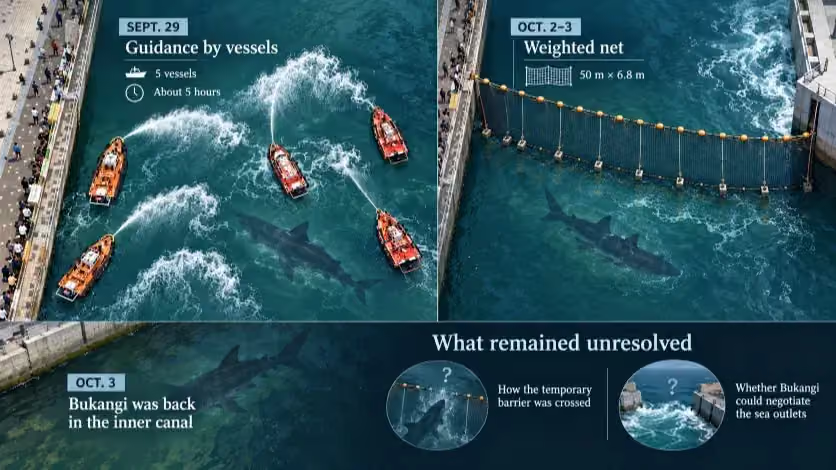
Bukangi, the Shark That Stayed in Busan’s North Port
A rescue net guided Bukangi toward the sea, but the dusky shark returned to B...
More from the author
More from this byline
Stay with the same line of reporting through more work from this byline.
 NewsOct 9, 2026
Why “Busan Is Good” Falls Short as a City Brand
 NewsSep 18, 2026
The Other AI Race Is for the Freedom to Change Course
Reader Signal
Community readWhat did this report leave you with?
Choose the signal that best reflects your reading. Select it again to remove it.
One response per article
No response selected
A moderated conversation about the reporting.
One-level replies and newsroom moderation keep the conversation anchored to this article.
Discussion Status
Open
Please sign in to join the discussion.
Newsletter
Weekly reporting and context from Busan and Korea.