Busan Hosts Forum to Tackle Population Crisis with Regional Visa Proposal
Busan, South Korea - On November 25, 2024, Busan took a bold step in addressing its demographic and economic challenges by hosting the "Foreign Policy Forum" at the Busan City Hotel. The forum brought together over 60 participants, including government officials, industry representatives, and policy experts, to discuss strategies for attracting foreign talent and fostering economic resilience. A key proposal emerging from the forum was the introduction of a groundbreaking "regional visa" initiat

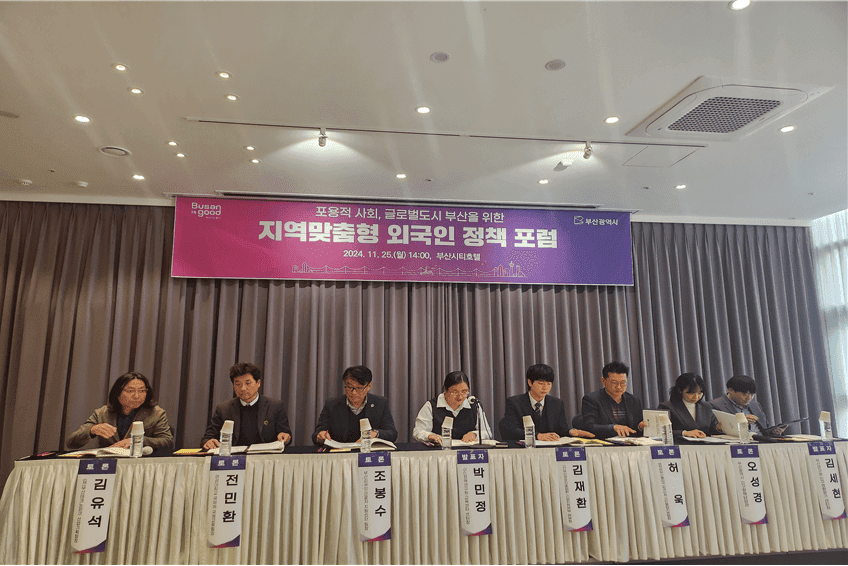
Busan, South Korea - On November 25, 2024, Busan took a bold step in addressing its demographic and economic challenges by hosting the "Foreign Policy Forum" at the Busan City Hotel. The forum brought together over 60 participants, including government officials, industry representatives, and policy experts, to discuss strategies for attracting foreign talent and fostering economic resilience. A key proposal emerging from the forum was the introduction of a groundbreaking "regional visa" initiative tailored to meet Busan's specific needs.
Busan faces a critical demographic crisis. Projections suggest its population could decline by 25.8% over the next three decades, dropping from 3.3 million in 2022 to approximately 2.45 million by 2052. The median age is expected to rise significantly, from 47.5 in 2022 to 60.5 in 2052, further shrinking the city’s working-age population by over a million individuals.
Labor shortages have become particularly acute in key sectors, including shipbuilding, manufacturing, and semiconductors. The shipbuilding industry—once a pillar of the local economy—has seen its workforce plummet from 200,000 in 2014 to 90,000, with a projected shortage of 43,000 workers by 2027. Advanced industries, such as semiconductors, report similar challenges, with labor shortages reaching 45% in some cases.
The "Foreign Policy Forum" was organized to explore targeted solutions to these challenges. Presentations and discussions centered on how Busan could attract and integrate foreign talent to address workforce gaps and boost regional economic vitality.
The forum’s standout initiative was the "regional visa," which aims to empower Busan to design and issue visas tailored to its specific labor market needs. This system would focus on attracting skilled foreign professionals, international students, and their families, addressing critical workforce gaps while boosting the city’s global competitiveness.
Participants emphasized the urgency of foreign talent acquisition as a solution to Busan’s demographic challenges. They highlighted the critical role of international professionals in sustaining the workforce and revitalizing local industries. Proposals included strengthening partnerships with local universities to retain international students, fostering a robust talent pipeline that aligns with regional needs.
Discussions covered a wide range of topics, including strategies to improve living conditions for foreign workers, enhance the integration of international students, and overcome barriers to foreign labor recruitment. Among the proposed solutions was the introduction of a streamlined "Busan-specific regional visa," designed to address the pressing labor shortages in key industries while supporting the city’s economic growth.
The regional visa proposal embodies Busan’s determination to address mounting demographic and economic challenges with innovative solutions. By allowing local governments to design and implement immigration policies tailored to their specific needs, the initiative could serve as a model for other regions in South Korea and beyond, reflecting a forward-thinking approach to workforce and population management.
Busan’s Foreign Policy Team, now operating under the city’s Population Policy Division, has been actively developing policy solutions aligned with national goals. These efforts are in step with the Ministry of Justice’s plans to establish a more adaptable immigration framework, granting cities like Busan greater flexibility in addressing local labor shortages.
Ongoing research at the Busan Research Institute is exploring ways to tailor the regional visa system to the unique needs of the city’s industries while ensuring the seamless integration of foreign professionals into the local community.
The forum highlighted the potential of these policies to reverse population decline, support key industries, and enhance Busan’s reputation as a dynamic global city. Attracting international talent is seen as essential to maintaining industrial competitiveness while also enriching the city’s cultural and social environment.
As the regional visa initiative progresses, its success will hinge on collaboration between stakeholders and the city’s proactive leadership. Busan’s commitment to addressing demographic and economic challenges positions it as a pioneer in crafting sustainable and inclusive solutions for the future.
Continue this reporting
Reporting on the same issue
Related coverage selected from the article's desk, topics and newsroom relationships.
 NewsOct 16, 2026
What Is Still Worth Going to See?
Busan’s biennale faces questions of artistic judgment and institutional care....
 NewsOct 14, 2026
What Became of Busan’s University Streets?
From 2015 to 2023, registered businesses grew near Pusan National University...
 NewsOct 12, 2026
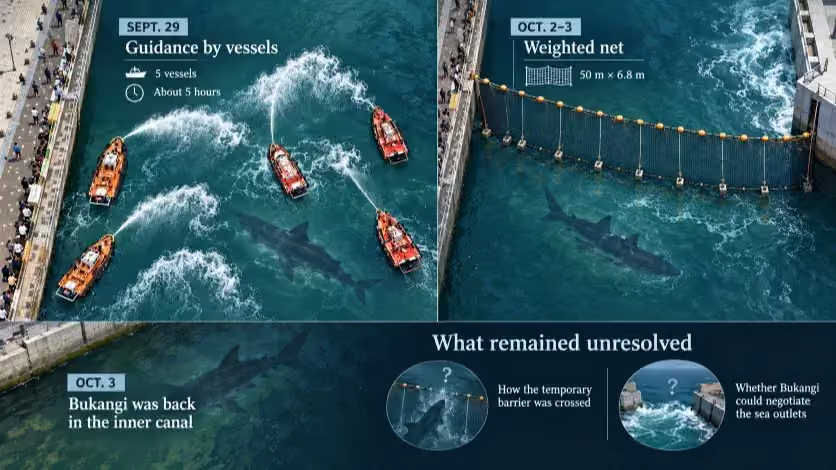
Bukangi, the Shark That Stayed in Busan’s North Port
A rescue net guided Bukangi toward the sea, but the dusky shark returned to B...
More from the author
More from this byline
Stay with the same line of reporting through more work from this byline.
 NewsOct 9, 2026
Why “Busan Is Good” Falls Short as a City Brand
 NewsSep 18, 2026
The Other AI Race Is for the Freedom to Change Course
Reader Signal
Community readWhat did this report leave you with?
Choose the signal that best reflects your reading. Select it again to remove it.
One response per article
No response selected
A moderated conversation about the reporting.
One-level replies and newsroom moderation keep the conversation anchored to this article.
Discussion Status
Open
Please sign in to join the discussion.
Newsletter
Weekly reporting and context from Busan and Korea.