Busan Hosts Forum on Future-Oriented Administrative System Reform
Busan, South Korea - On Wednesday, Busan hosted a pivotal forum on reforming local governance structures, part of a nationwide effort led by the Ministry of the Interior and Safety. With an eye toward building a more responsive and sustainable system, the Gyeongnam Region Forum for Future-Oriented Administrative System Reform brought together government officials, researchers, and citizens. These regional forums are the work of the Future-Oriented Administrative System Reform Advisory Committee,

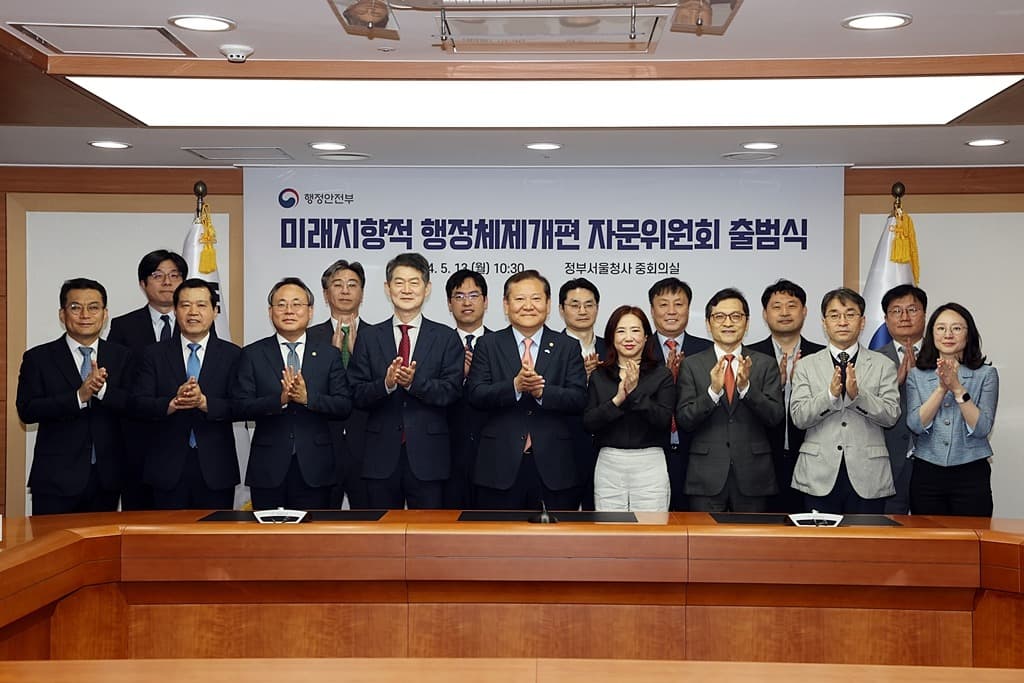
Busan, South Korea - On Wednesday, Busan hosted a pivotal forum on reforming local governance structures, part of a nationwide effort led by the Ministry of the Interior and Safety. With an eye toward building a more responsive and sustainable system, the Gyeongnam Region Forum for Future-Oriented Administrative System Reform brought together government officials, researchers, and citizens. These regional forums are the work of the Future-Oriented Administrative System Reform Advisory Committee, launched in May 2024, to address emerging administrative demands in Korea’s cities and rural areas.
The advisory committee’s establishment comes as Korea’s administrative landscape faces complex challenges. Following the implementation of local autonomy in 1995, the nation’s administrative system has remained largely unchanged, even as population decline, misalignment between administrative boundaries and living areas, and regional disparities have intensified. As local governments struggle to respond effectively, there is growing recognition that the current system, which has operated largely unchanged for nearly 30 years, could benefit from modernization.
Recognizing these mounting issues, the Ministry of the Interior and Safety created the Future-Oriented Administrative System Reform Advisory Committee, or "Future Committee." The committee’s mandate is to formulate a new direction for Korea’s administrative structure, incorporating public input and specialized knowledge from diverse fields, such as population studies, technology, and regional development.
The Busan forum, part of a series of regional consultations, was designed to foster dialogue on the challenges and solutions for modernizing local governance. Participants included officials from Busan, Ulsan, and Gyeongnam, as well as representatives from regional think tanks and community members. In his keynote address, committee member Professor Ma Kang-rae outlined the scope and urgency of the reform initiative, underscoring the need for an adaptable system that can respond to demographic and socio-economic changes.
The forum discussions centered on how the current administrative system could be adjusted to better serve residents and improve regional competitiveness. Topics ranged from exploring the integration of metropolitan and provincial governments to optimizing the structure and roles of municipalities.
The Busan forum is part of a multi-regional series that kicked off in October and includes similar sessions in Daegu-Gyeongbuk, Chungcheong, Gangwon, Honam, and will conclude with the Central region. Feedback gathered from these forums will inform the Future Committee’s recommendations, which are expected to be submitted to the Ministry of the Interior and Safety in December.
Each regional session allows citizens and local stakeholders to voice their perspectives, ensuring the final reform recommendations reflect Korea’s diverse needs. By leveraging public consultation, the committee aims to address the distinct challenges each region faces while pursuing a cohesive national approach to local governance.
The Future Committee has focused on multiple key areas of reform, seeking to address immediate needs and lay groundwork for long-term regional growth. The core themes discussed in Busan include:
- Regional Integration: Proposals to integrate metropolitan and provincial governments aim to streamline administrative functions, reducing redundancies and improving resource allocation.
- Boundary Revisions: Adjusting jurisdictional boundaries to align with actual population distribution and regional needs could reduce inefficiencies and improve service delivery.
- Role of Local Entities: Optimizing the functions of different administrative layers—from city and provincial to district levels—would address overlapping responsibilities and improve local responsiveness.
- Adapting to Demographic Changes: Introducing a “living population” concept, which considers the real population influx and outflux, especially in cities, would allow local governments to respond more accurately to the needs of fluctuating populations.
Busan Deputy Mayor of the Administration, Lee Jun-seung, who spoke at the forum, emphasized the significance of the reform initiative. “Now is the time to reimagine a governance structure that can keep pace with our changing world, adapting to shifts in population, economy, and technology,” said Lee. “This forum is a vital step in rethinking how we can better serve our residents and support long-term regional growth.”
The outcomes of the Busan forum, along with insights from the other regional consultations, will form the foundation of a comprehensive recommendation report by the Future Committee, expected in December 2024. This report will address potential reforms, from structural adjustments to the roles of administrative tiers and inter-regional collaborations.
Once finalized, the Ministry of the Interior and Safety will review these recommendations and may establish a government task force to oversee implementation. The task force would coordinate with local governments and other stakeholders, ensuring that the proposed changes align with Korea’s evolving needs and contribute to a cohesive, efficient administrative structure.
As Korea confronts rapid demographic and regional transformations, the Future Committee’s reform initiative represents a proactive approach to crafting a more resilient and responsive governance system. Through these forums, the Ministry of the Interior and Safety is working to develop a balanced administrative model that not only addresses immediate concerns but also lays a foundation for sustainable growth and development.
Continue this reporting
Reporting on the same issue
Related coverage selected from the article's desk, topics and newsroom relationships.
 NewsOct 16, 2026
What Is Still Worth Going to See?
Busan’s biennale faces questions of artistic judgment and institutional care....
 NewsOct 14, 2026
What Became of Busan’s University Streets?
From 2015 to 2023, registered businesses grew near Pusan National University...
 NewsOct 12, 2026
Bukangi, the Shark That Stayed in Busan’s North Port
A rescue net guided Bukangi toward the sea, but the dusky shark returned to B...
More from the author
More from this byline
Stay with the same line of reporting through more work from this byline.
 NewsOct 9, 2026
Why “Busan Is Good” Falls Short as a City Brand
 NewsSep 18, 2026
The Other AI Race Is for the Freedom to Change Course
Reader Signal
Community readWhat did this report leave you with?
Choose the signal that best reflects your reading. Select it again to remove it.
One response per article
No response selected
A moderated conversation about the reporting.
One-level replies and newsroom moderation keep the conversation anchored to this article.
Discussion Status
Open
Please sign in to join the discussion.
Newsletter
Weekly reporting and context from Busan and Korea.