Busan Faces Risk of Disappearance Amid Aging Population and Low Birth Rates
Busan, South Korea’s second-largest city, has become the first major city classified as at risk of disappearing due to a rapidly aging population and declining birth rates. Recent analysis highlights the severity of the demographic crisis that Busan is confronting, raising alarm about the future sustainability of the city. As of March 2024, Busan’s extinction risk index stands at 0.490. This figure, below the critical threshold of 0.5, classifies it as a region at risk of disappearance. The cit

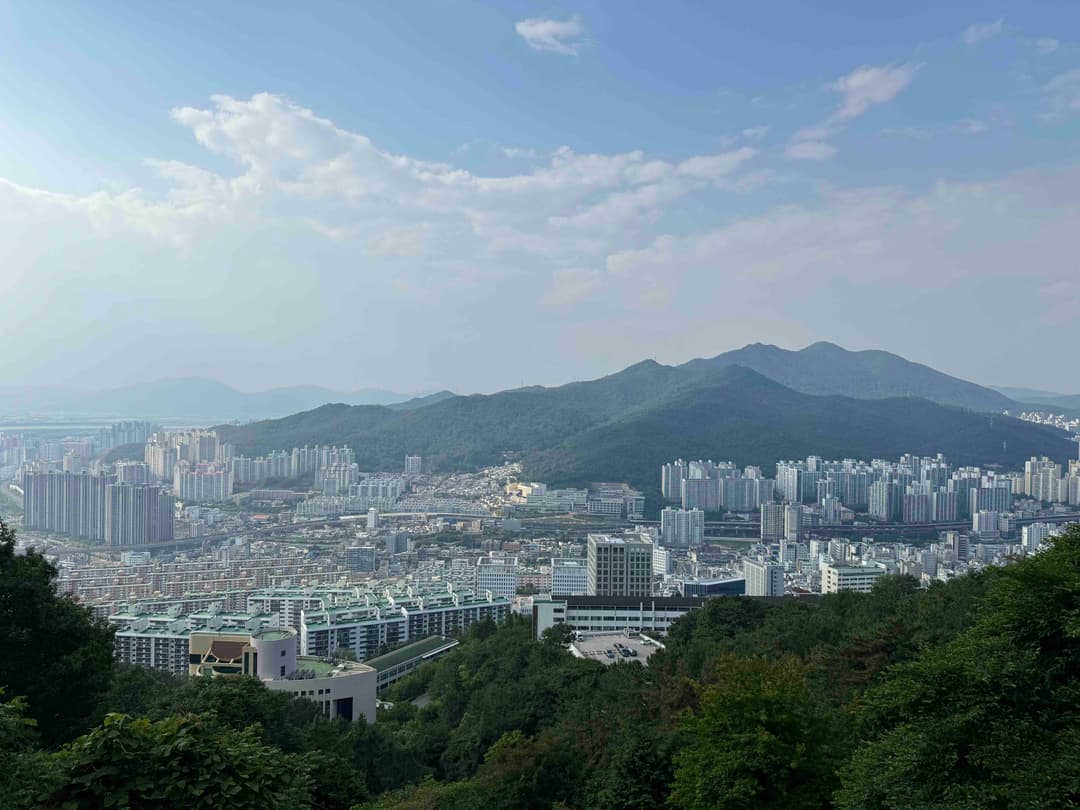
Busan, South Korea’s second-largest city, has become the first major city classified as at risk of disappearing due to a rapidly aging population and declining birth rates. Recent analysis highlights the severity of the demographic crisis that Busan is confronting, raising alarm about the future sustainability of the city.
As of March 2024, Busan’s extinction risk index stands at 0.490. This figure, below the critical threshold of 0.5, classifies it as a region at risk of disappearance. The city is now dealing with an aging population where 23% of its residents are aged 65 and older, making it the only major city in South Korea classified as a "super-aged society." Conversely, only 11.3% of the population consists of women aged 20 to 39.
Projections indicate a dire future. By 2050, Busan’s total population is expected to decrease by 25%. The number of women in their 20s and 30s is predicted to fall by more than half, while the population aged 65 and above is anticipated to increase by approximately two-thirds. This demographic shift highlights a severe imbalance that could lead to substantial socio-economic challenges, including a diminished workforce and increased strain on social services.
Busan’s demographic challenges are part of a broader national trend. Currently, 130 out of 228 cities and districts in South Korea are classified as at risk of extinction, representing 57% of the total. Among these, 57 regions are considered high-risk, where the population of women in their 20s and 30s is less than one-fifth of the population aged 65 and older. This widespread issue underscores the ineffectiveness of current policies aimed at addressing low birth rates and regional decline.
The economic implications of Busan’s demographic crisis are profound. With a declining and aging population, the city could face a shrinking labor force, reduced consumer spending, and increased pressure on social services. To mitigate these risks, some experts suggest adopting remote work and telecommuting policies, which could help balance work and residential locations, potentially revitalizing regional populations. Encouraging businesses to embrace these changes may help address the population decline by making regional living more attractive to younger demographics.
Busan’s government has introduced several policies to combat the declining birth rate and aging population. These include financial support for fertility treatments, increasing the number of childcare facilities, and enhancing maternity and paternity leave benefits. Moreover, efforts are being made to create a senior-friendly environment by building pedestrian walkways, installing benches, and increasing accessibility for the elderly. Community centers have also been established to provide health and welfare services to senior citizens.
Experts emphasize the need for a more comprehensive approach to address these demographic challenges. Creating more job opportunities for young people and providing affordable housing are crucial steps. Additionally, fostering an environment that integrates industry, education, housing, welfare, and culture can create a more attractive living space for younger generations. This multi-faceted strategy could help retain and attract younger populations, balancing the demographic structure of the city.
Busan's designation as a city at risk of extinction highlights the urgent need for effective policy interventions and innovative solutions to counteract the effects of an aging population and declining birth rates. Without significant changes, the city's demographic challenges are expected to intensify, posing severe economic and social consequences. Policymakers and stakeholders must work together to develop and implement strategies that will secure a sustainable future for Busan and similar regions across South Korea.
Continue this reporting
Reporting on the same issue
Related coverage selected from the article's desk, topics and newsroom relationships.
 NewsOct 16, 2026
What Is Still Worth Going to See?
Busan’s biennale faces questions of artistic judgment and institutional care....
 NewsOct 14, 2026
What Became of Busan’s University Streets?
From 2015 to 2023, registered businesses grew near Pusan National University...
 NewsOct 12, 2026
Bukangi, the Shark That Stayed in Busan’s North Port
A rescue net guided Bukangi toward the sea, but the dusky shark returned to B...
More from the author
More from this byline
Stay with the same line of reporting through more work from this byline.
 NewsOct 9, 2026
Why “Busan Is Good” Falls Short as a City Brand
 NewsSep 18, 2026
The Other AI Race Is for the Freedom to Change Course
Reader Signal
Community readWhat did this report leave you with?
Choose the signal that best reflects your reading. Select it again to remove it.
One response per article
No response selected
A moderated conversation about the reporting.
One-level replies and newsroom moderation keep the conversation anchored to this article.
Discussion Status
Open
Please sign in to join the discussion.
Newsletter
Weekly reporting and context from Busan and Korea.