Busan faces economic decline and urgently needs industrial reform
Busan, South Korea's second-largest city, is currently facing a critical economic challenge as its regional gross domestic product (GRDP) has dipped below 5% of the national total for the first time. Recent data released by Statistics Korea underscores the severity of this issue, revealing a steady decline in Busan's economic contributions over the past two decades. This downturn highlights deep-seated problems within the city’s industrial structure, necessitating immediate and strategic interve

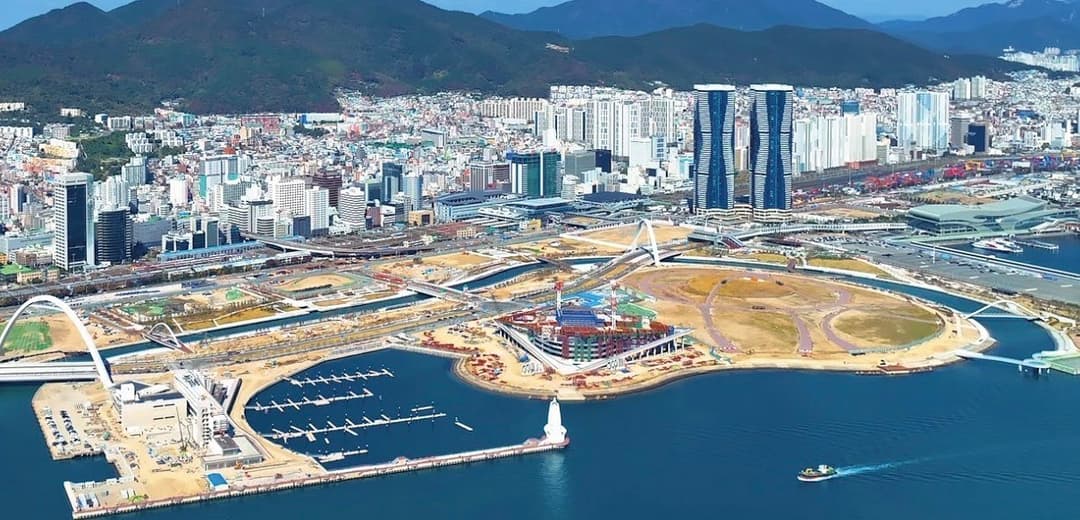
Busan, South Korea's second-largest city, is currently facing a critical economic challenge as its regional gross domestic product (GRDP) has dipped below 5% of the national total for the first time. Recent data released by Statistics Korea underscores the severity of this issue, revealing a steady decline in Busan's economic contributions over the past two decades. This downturn highlights deep-seated problems within the city’s industrial structure, necessitating immediate and strategic interventions.
Manufacturing Decline and Service Sector Limitations
Historically, Busan's economy has been dominated by manufacturing industries such as shipbuilding, automotive parts, and textiles. These sectors were once the backbone of the city’s economic might, contributing significantly to both employment and economic output. However, in recent years, these industries have suffered severe contractions due to a combination of factors, including global competition, technological advancements, and a shift in global manufacturing bases to lower-cost regions.
The shipbuilding industry, in particular, has faced intense challenges. Once a global leader, Busan's shipbuilding sector has seen orders plummet, leading to a sharp decrease in production capacity and workforce reductions. The decline of this industry has had a cascading effect on related sectors, further straining the city's economic fabric.
While Busan's service sector, which includes tourism, logistics, and retail, remains active, it has not been able to fully compensate for the losses in manufacturing. Despite the city’s strategic position as a major port and logistics hub, the service industry is largely characterized by low-wage, low-skill jobs. This limits the sector’s ability to drive significant economic growth or to attract and retain talent within the city.
Lack of Industrial Diversification
One of the most significant issues facing Busan's economy is the lack of industrial diversification. Unlike other regions in South Korea, which have embraced emerging industries such as information technology, biotechnology, and renewable energy, Busan has been slow to adapt. The city's economic structure remains heavily reliant on traditional industries, with relatively little investment in high-growth sectors.
This lack of diversification has made Busan particularly vulnerable to economic downturns. The city’s overreliance on a few key industries has left it exposed to global market fluctuations, technological disruptions, and shifts in consumer demand. Moreover, the slow pace of industrial diversification has limited innovation and competitiveness, hampering the city's ability to capitalize on new economic opportunities.
The consequences of this industrial stagnation are evident in the city's demographic trends. Busan has been experiencing a steady outflow of young, educated workers to other regions, particularly the Seoul metropolitan area. This "brain drain" is exacerbating the city’s economic challenges, as the loss of human capital further undermines the potential for economic renewal and innovation.
Urgent Need for High-Value Industry Transition
To reverse the economic decline and secure a prosperous future, experts agree that Busan must undergo a strategic shift towards high-value industries. There is a growing consensus that the city needs to focus on developing sectors such as marine biotechnology, smart logistics, green energy, and advanced manufacturing. These industries not only have the potential to drive economic growth but also to create high-quality jobs that can retain young talent.
The local government has already initiated several programs aimed at economic revitalization, including efforts to attract investment in high-tech industries and to foster a more innovation-friendly business environment. However, these efforts have so far been insufficient to address the scale of the challenges facing the city. More aggressive policies and significant public and private investments will be required to catalyze the necessary industrial transformation.
To achieve this, Busan will need to enhance its infrastructure, improve its regulatory environment, and offer targeted incentives to attract both domestic and international businesses. Additionally, fostering a vibrant start-up ecosystem and supporting research and development initiatives will be crucial to creating a dynamic, innovation-driven economy.
Busan's economic struggles are a clear reflection of the challenges posed by an overreliance on traditional industries and the failure to diversify into high-value sectors. The city's declining GRDP is a wake-up call, highlighting the urgent need for structural reforms and a strategic shift towards future-oriented industries. With the right policies and investments, Busan has the potential to overcome its current economic stagnation and to reestablish itself as a key economic center in South Korea.
However, the road ahead will be challenging. It will require concerted efforts from both the public and private sectors, as well as a commitment to long-term planning and strategic investments. Only by embracing innovation and fostering a more diversified economy can Busan hope to secure its economic future and regain its competitive edge in the global market.
Continue this reporting
Reporting on the same issue
Related coverage selected from the article's desk, topics and newsroom relationships.
 NewsOct 16, 2026
What Is Still Worth Going to See?
Busan’s biennale faces questions of artistic judgment and institutional care....
 NewsOct 14, 2026
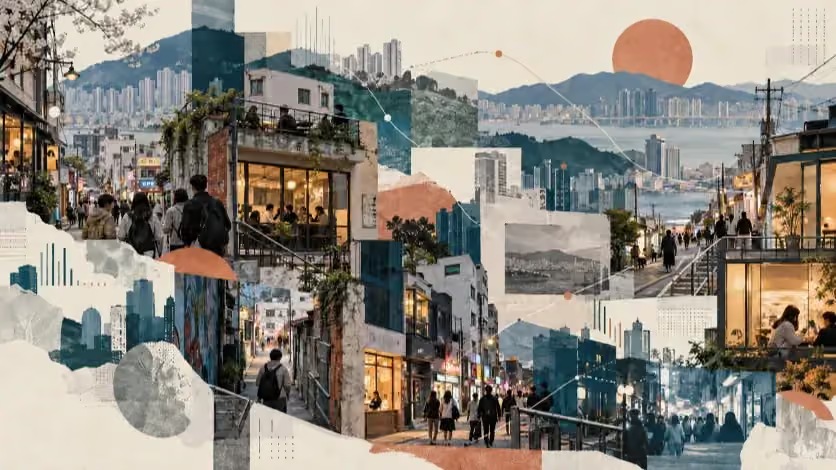
What Became of Busan’s University Streets?
From 2015 to 2023, registered businesses grew near Pusan National University...
 NewsOct 12, 2026
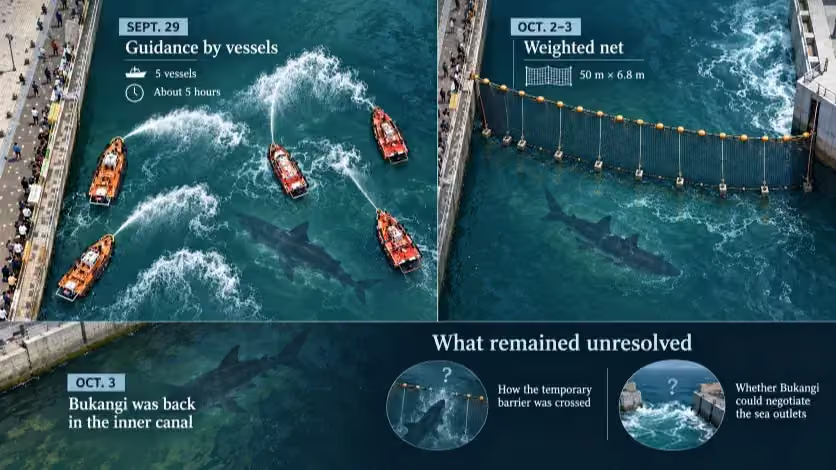
Bukangi, the Shark That Stayed in Busan’s North Port
A rescue net guided Bukangi toward the sea, but the dusky shark returned to B...
More from the author
More from this byline
Stay with the same line of reporting through more work from this byline.
 NewsOct 9, 2026
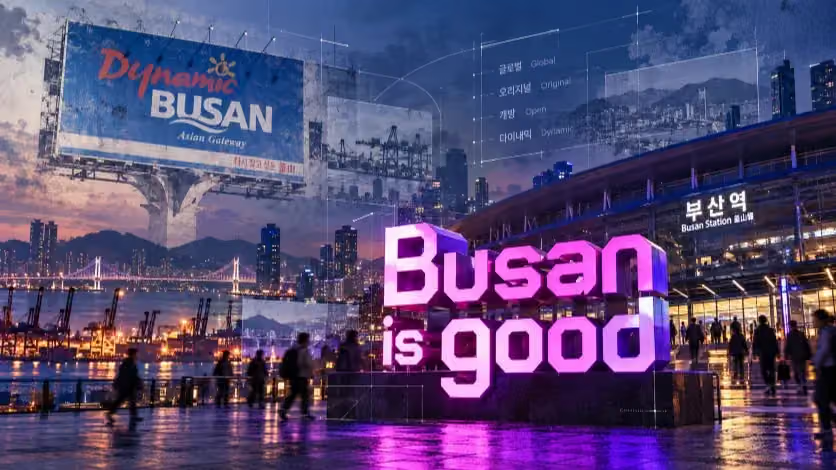
Why “Busan Is Good” Falls Short as a City Brand
 NewsSep 18, 2026
The Other AI Race Is for the Freedom to Change Course
Reader Signal
Community readWhat did this report leave you with?
Choose the signal that best reflects your reading. Select it again to remove it.
One response per article
No response selected
A moderated conversation about the reporting.
One-level replies and newsroom moderation keep the conversation anchored to this article.
Discussion Status
Open
Please sign in to join the discussion.
Newsletter
Weekly reporting and context from Busan and Korea.