Busan City Announces Completion of Sewage Treatment Facility Modernization
Busan, South Korea - Busan City has announced the completion of a major infrastructure project aimed at transforming urban living standards. After more than three years of construction and a total investment of 1,087 billion KRW, the modernization of the city’s sewage treatment facilities has been finalized. Operations are scheduled to begin in January 2025, bringing long-awaited relief to local residents who have endured decades of challenges stemming from outdated infrastructure. The sewage t

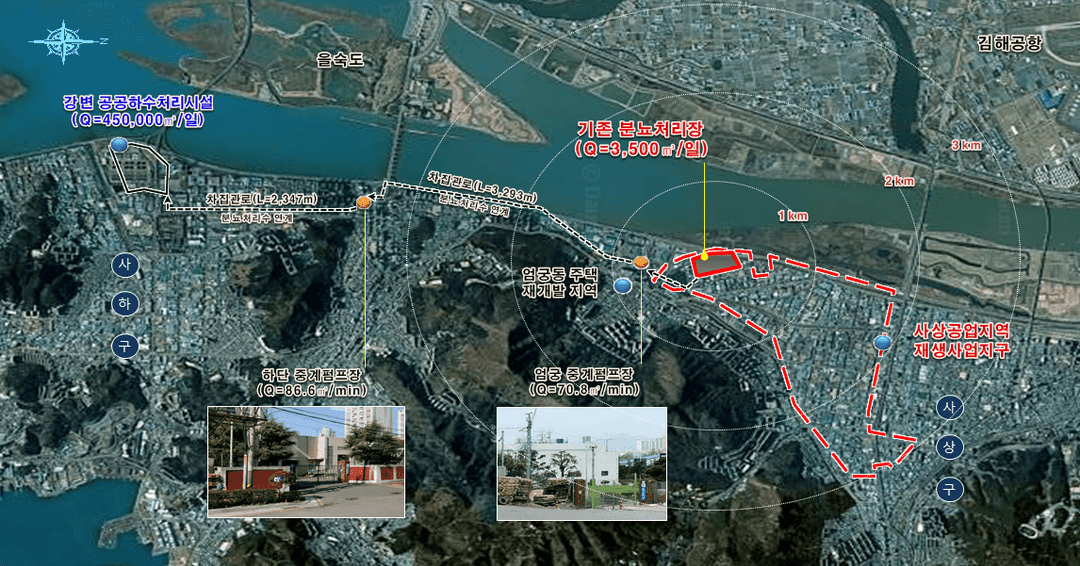
Busan, South Korea - Busan City has announced the completion of a major infrastructure project aimed at transforming urban living standards. After more than three years of construction and a total investment of 1,087 billion KRW, the modernization of the city’s sewage treatment facilities has been finalized. Operations are scheduled to begin in January 2025, bringing long-awaited relief to local residents who have endured decades of challenges stemming from outdated infrastructure.
The sewage treatment facility, often referred to as the “hygiene plant,” was first established in 1973 to manage waste collected from traditional toilets and septic tanks across the city. For over 50 years, it played a critical role in maintaining public hygiene, but the aging infrastructure began to falter, creating significant challenges for local residents.
Persistent odor issues and structural deterioration prompted calls for modernization. In 2016, Busan’s sewage improvement plan highlighted the necessity of addressing these concerns, leading to a comprehensive feasibility study and approval of the project in 2019.
At the heart of this modernization effort is the underground relocation of the sewage treatment facilities. By moving the infrastructure below ground, the project effectively eliminates the long-standing odor problems that plagued surrounding communities.
Above ground, the site will be repurposed as a vibrant recreational area. Residents can look forward to sports facilities, green spaces, and other community-focused amenities. The new facility boasts an advanced design capable of processing up to 2,500 cubic meters of waste daily, ensuring efficiency and reliability for years to come.
The total cost of the project, including construction, design, and oversight, amounted to 1,087 billion KRW. Funding came from a combination of national subsidies, municipal budgets, and environmental management funds.
The project, which began construction in November 2020, was the result of years of meticulous planning and preparation. Following its inclusion in Busan’s sewage improvement plan in 2016, feasibility studies and design approvals spanned several years. Construction faced challenges typical of large-scale infrastructure projects but remained on track to meet its end-of-year 2024 completion target.
Trial operations are set to continue through December 2024, ensuring the facility is fully operational by January 2025.
The modernization of the sewage treatment facility is expected to bring transformative benefits to the city and its residents. Moving the facility underground eliminates a major source of odor and environmental discomfort, significantly improving the quality of life for nearby communities. Additionally, the efficient design ensures that waste processing meets modern environmental standards, reducing potential pollutants and enhancing sustainability.
The new recreational area atop the facility will serve as a communal space, fostering a sense of community and promoting outdoor activities. This transformation not only addresses infrastructure needs but also creates a multi-purpose asset for the city.
Mayor Park Heong-joon emphasized the project’s broader implications, highlighting its role in promoting balanced development across the city’s western regions. “This initiative is not only about solving existing problems but also about setting the foundation for sustainable growth and community well-being,” he said.
The completion of this project aligns with Busan’s larger urban development goals, including the ongoing Sasang Smart City initiative. By integrating modern infrastructure with community-focused urban planning, Busan aims to position itself as a model for sustainable urban living in South Korea.
City officials have indicated that the new facility will serve as a benchmark for future waste management and urban development projects. The recreational spaces on the site will be fully accessible by early 2025, with plans to enhance green spaces and incorporate additional facilities in the coming years.
Continue this reporting
Reporting on the same issue
Related coverage selected from the article's desk, topics and newsroom relationships.
 NewsOct 16, 2026
What Is Still Worth Going to See?
Busan’s biennale faces questions of artistic judgment and institutional care....
 NewsOct 14, 2026
What Became of Busan’s University Streets?
From 2015 to 2023, registered businesses grew near Pusan National University...
 NewsOct 12, 2026
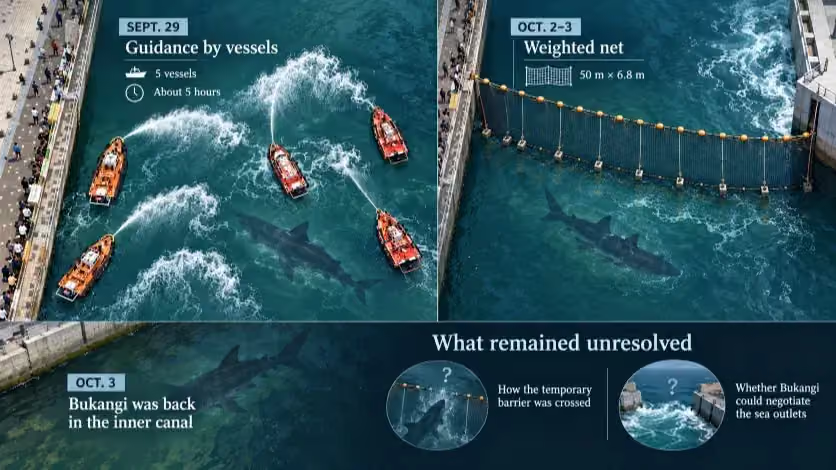
Bukangi, the Shark That Stayed in Busan’s North Port
A rescue net guided Bukangi toward the sea, but the dusky shark returned to B...
More from the author
More from this byline
Stay with the same line of reporting through more work from this byline.
 NewsOct 9, 2026
Why “Busan Is Good” Falls Short as a City Brand
 NewsSep 18, 2026
The Other AI Race Is for the Freedom to Change Course
Reader Signal
Community readWhat did this report leave you with?
Choose the signal that best reflects your reading. Select it again to remove it.
One response per article
No response selected
A moderated conversation about the reporting.
One-level replies and newsroom moderation keep the conversation anchored to this article.
Discussion Status
Open
Please sign in to join the discussion.
Newsletter
Weekly reporting and context from Busan and Korea.