Busan Becomes First Korean City to Join the Global Biophilic Cities Network
Busan, South Korea – May 27, 2024 – The city of Busan achieved a milestone by becoming the first Korean city to join the prestigious Biophilic Cities Network. This global network promotes sustainable urban models where diverse life forms and people coexist harmoniously. The Biophilic Cities Network, initiated by the University of Virginia in 2011, comprises cities committed to integrating biophilic principles—derived from the concept of biophilia, meaning the love of life and nature—into urban
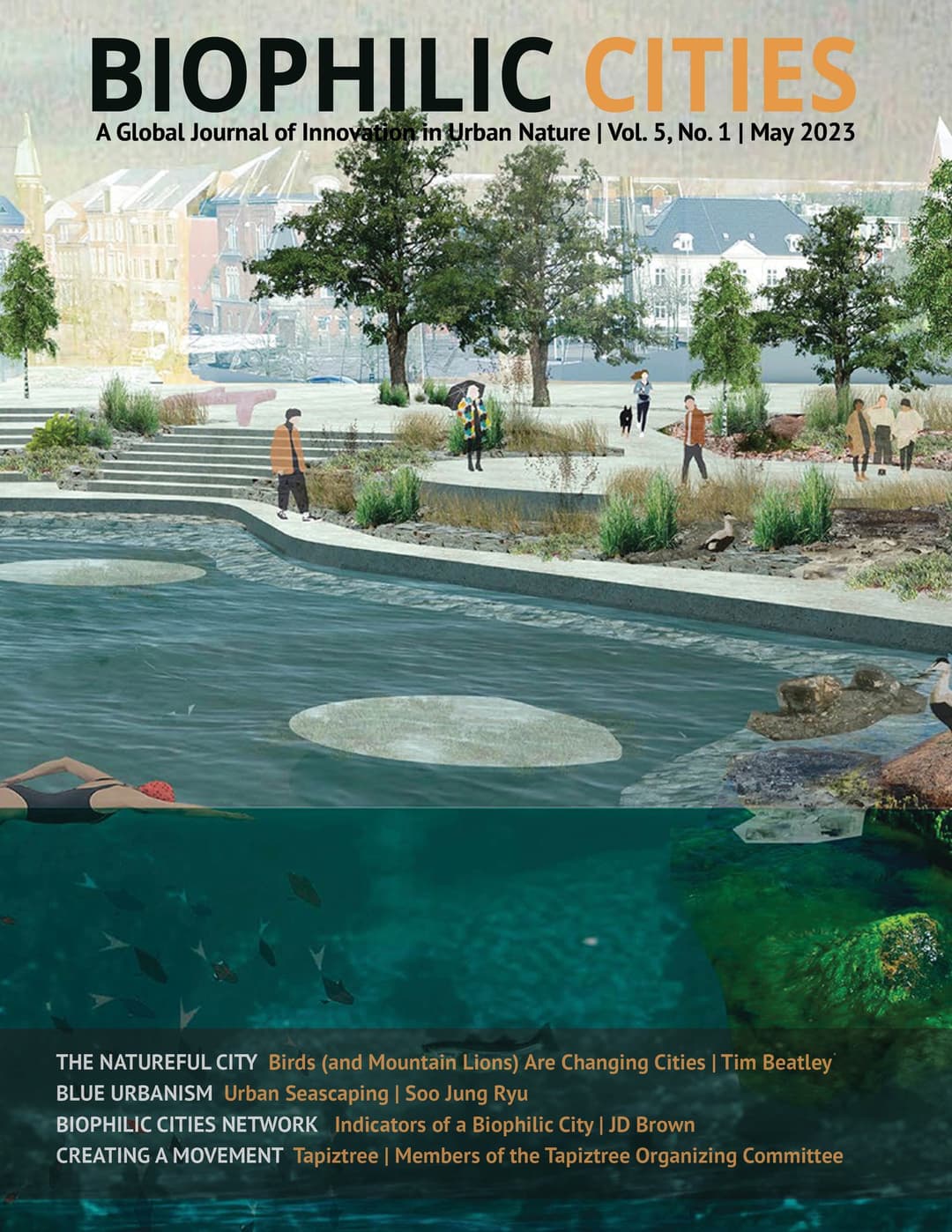
Busan, South Korea – May 27, 2024 – The city of Busan achieved a milestone by becoming the first Korean city to join the prestigious Biophilic Cities Network. This global network promotes sustainable urban models where diverse life forms and people coexist harmoniously.
The Biophilic Cities Network, initiated by the University of Virginia in 2011, comprises cities committed to integrating biophilic principles—derived from the concept of biophilia, meaning the love of life and nature—into urban planning. By earning this membership, Busan's efforts to create a green, sustainable urban environment were internationally recognized.
Busan's journey toward sustainability involved several significant initiatives. The city has been preparing to designate the Nakdonggang River Estuary as a National Urban Park, establish the Nakdonggang River National Garden, recognize Geumjeongsan Mountain as a National Park, and create Macdo Island Green City. These projects shows Busan's dedication to transforming into a city abundant with parks and gardens, where nature and humanity coexist seamlessly.
To commemorate this achievement, Busan hosted the "Biophilic City Busan International Conference" on May 27, at 2:30 PM in the International Conference Hall at City Hall. The event featured keynote speeches and discussions with international experts. Mayor Park Heong-joon welcomed over 250 attendees, including domestic and international experts, academics, public institutions, and civic groups.
The conference began with Mayor Park Heong-joon's opening address, followed by a certification ceremony where Professor Timothy Beatley, from the University of Virginia and founder of the Biophilic Cities Network, presented Busan with its membership certificate. Professor Beatley then delivered a keynote speech, elaborating on the biophilic city concept and sharing successful examples from partner cities worldwide.
Following the keynote speech, a panel discussion took place. Renowned experts, including Yoshiki Toda from Japan and Tiantian Xia from China, discussed strategies for advancing Busan's green city initiatives. The discussions provided valuable insights into how Busan could further integrate biophilic principles into its urban planning to enhance sustainability.
The city aims to develop a sustainable green urban environment that will benefit future generations. Key projects, such as the Nakdonggang River Estuary National Urban Park and Macdo Green City, are central to this strategy. Mayor Park emphasized the necessity of creating a sustainable city where nature and humans coexist. He expressed optimism about sharing and learning from partner cities in the Biophilic Cities Network to achieve mutual growth and development.
Continue this reporting
Reporting on the same issue
Related coverage selected from the article's desk, topics and newsroom relationships.
 NewsOct 16, 2026
What Is Still Worth Going to See?
Busan’s biennale faces questions of artistic judgment and institutional care....
 NewsOct 14, 2026
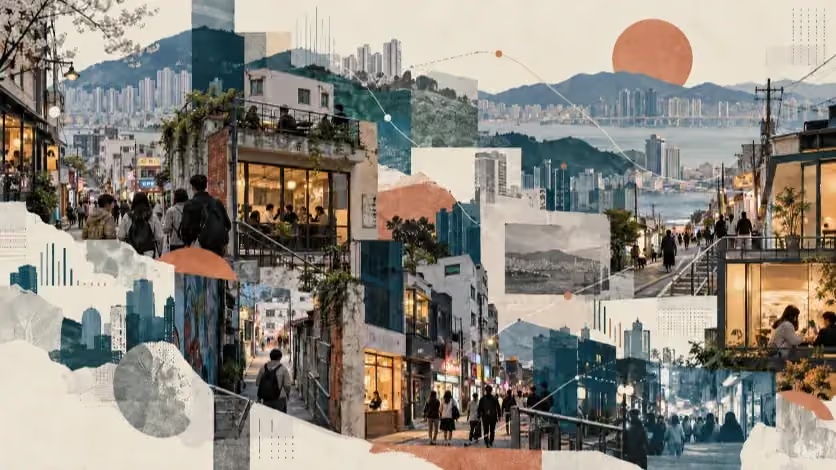
What Became of Busan’s University Streets?
From 2015 to 2023, registered businesses grew near Pusan National University...
 NewsOct 12, 2026
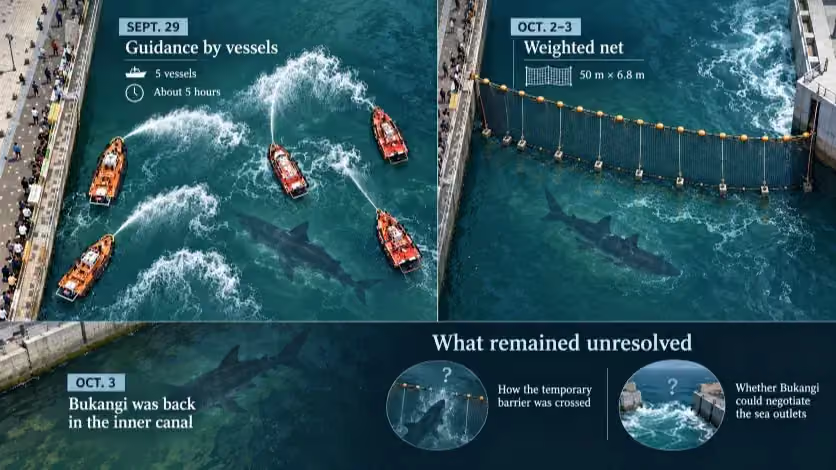
Bukangi, the Shark That Stayed in Busan’s North Port
A rescue net guided Bukangi toward the sea, but the dusky shark returned to B...
More from the author
More from this byline
Stay with the same line of reporting through more work from this byline.
 NewsOct 9, 2026
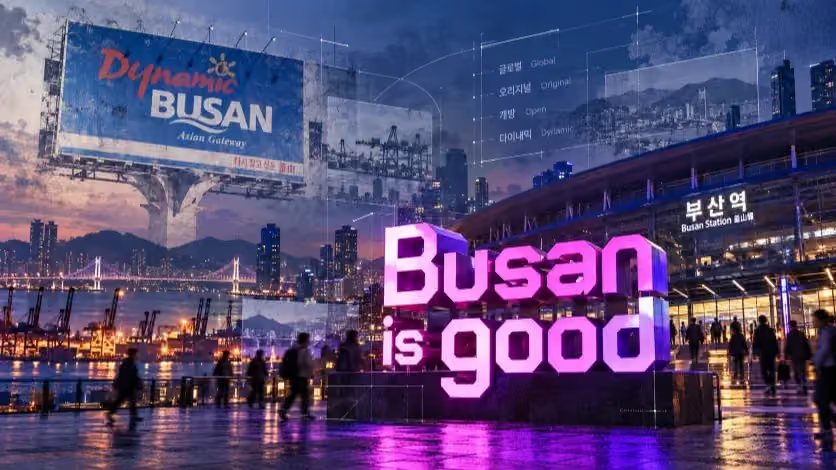
Why “Busan Is Good” Falls Short as a City Brand
 NewsSep 18, 2026
The Other AI Race Is for the Freedom to Change Course
Reader Signal
Community readWhat did this report leave you with?
Choose the signal that best reflects your reading. Select it again to remove it.
One response per article
No response selected
A moderated conversation about the reporting.
One-level replies and newsroom moderation keep the conversation anchored to this article.
Discussion Status
Open
Please sign in to join the discussion.
Newsletter
Weekly reporting and context from Busan and Korea.