Busan Aims for National Urban Park at Nakdonggang Estuary
Busan, South Korea — For environmental conservation and sustainable urban development, the city of Busan has rallied a comprehensive civic effort to designate the Nakdonggang River Estuary as South Korea's first National Urban Park. On September 26, a launch ceremony for the Pan-Citizen Promotion Headquarters was held at Busan City Hall, drawing over 300 attendees, including Mayor Park Heong-joon, Busan Metropolitan Council Chairman Ahn Sung-min, former National Assembly Speaker Chung Ui-hwa, an

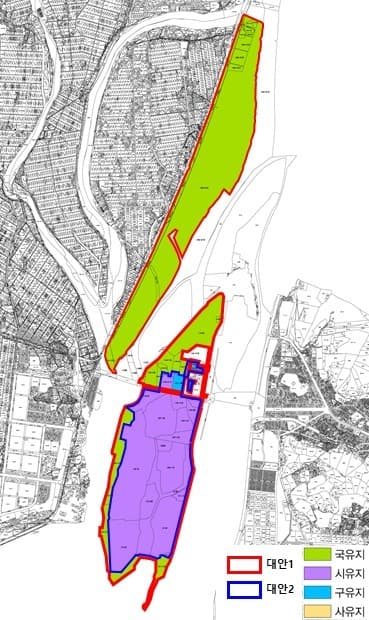
Busan, South Korea — For environmental conservation and sustainable urban development, the city of Busan has rallied a comprehensive civic effort to designate the Nakdonggang River Estuary as South Korea's first National Urban Park. On September 26, a launch ceremony for the Pan-Citizen Promotion Headquarters was held at Busan City Hall, drawing over 300 attendees, including Mayor Park Heong-joon, Busan Metropolitan Council Chairman Ahn Sung-min, former National Assembly Speaker Chung Ui-hwa, and representatives from various sectors of society.
The Nakdonggang River Estuary, a vital ecological region known for its rich biodiversity and as a habitat for migratory birds, has long been cherished by the citizens of Busan. The initiative to transform this natural treasure into a National Urban Park represents the culmination of years of advocacy and reflects a shared vision for a greener future.
The Pan-Citizen Promotion Headquarters was formed to galvanize public support and consolidate efforts across the community. Comprising approximately 90 leaders from academia, religious organizations, political circles, businesses, and civil society groups, the organization embodies a unified goal: to facilitate the designation of the Nakdonggang River Estuary—including the areas of Eulsukdo and Maekdo—as a National Urban Park, thereby preserving it for future generations.
Mayor Park Heong-joon emphasized the importance of this endeavor, stating, "Creating a National Urban Park at the Nakdonggang River Estuary is not merely an environmental project; it's a legacy we aspire to leave for our children and grandchildren. It symbolizes our commitment to sustainable development and harmonious coexistence with nature."
The organization's strategy involves a series of initiatives designed to raise awareness and build support for the park's designation. They plan to organize public rallies and campaigns that engage citizens directly, encouraging active participation in the advocacy process. By bringing people together in communal events, they aim to foster a sense of shared responsibility and enthusiasm for the project.
In addition to grassroots efforts, the group intends to engage in legislative outreach by petitioning the National Assembly and government agencies. Their goal is to bring attention to the need for amendments to the Act on Urban Parks and Green Areas, which currently presents certain obstacles to the park's establishment due to specific criteria regarding size and land ownership.
Educational programs are also a key component of their strategy. By providing information on the environmental and social benefits of the National Urban Park, they hope to foster a deeper understanding among residents. This educational outreach is designed to highlight how the park would not only preserve vital ecosystems but also enhance the quality of life in Busan.
This collective effort signifies robust community engagement, illustrating how civic action can influence policy and contribute to environmental stewardship. The collaboration between citizens and officials demonstrates a proactive approach to addressing environmental challenges at the local level.
The Nakdonggang River Estuary holds significant ecological importance as a habitat for numerous species of flora and fauna, including migratory birds that rely on its wetlands. Designating the area as a National Urban Park would ensure the protection of these ecosystems, preserving biodiversity and maintaining the natural balance of the region.
Covering approximately 7.98 million square meters (about 2.42 million pyeong), the proposed park would integrate existing green spaces like Eulsukdo and Maekdo into a cohesive environmental sanctuary within Busan's urban fabric. This integration aligns with global trends in urban planning that prioritize sustainability and quality of life, offering residents and visitors alike a place to connect with nature amid the bustling cityscape.
The park would also provide recreational and educational opportunities for the public, serving as a living classroom for environmental education and a peaceful retreat for relaxation and community activities. By fostering a closer relationship between people and nature, the park aims to enhance social well-being and environmental awareness.
Significant milestones have already been achieved in advancing the project. In July, the city finalized urban management plans for the Nakdonggang River Estuary Park, receiving approval from the urban planning committee. This step was crucial in solidifying the project's feasibility and aligning it with the city's broader development strategies.
Following this, official decisions and geographical notifications were issued in September, marking essential administrative progress. These announcements formalized the city's intent and laid the groundwork for the subsequent steps required to realize the park.
The next phase involves developing detailed park plans and formally applying to the Ministry of Land, Infrastructure, and Transport for the National Urban Park designation. The city's leadership remains optimistic about meeting the necessary criteria and navigating the legislative process to achieve their goal.
Mayor Park called for widespread support, expressing, "The swift passage of the amendments to the Act on Urban Parks and Green Areas is crucial. I urge all citizens to lend their voices to this cause, as our collective effort can make a substantial difference."
A key challenge in achieving the park's designation lies in amending the Act on Urban Parks and Green Areas, which currently imposes specific criteria regarding park size, land ownership, and facility standards. The Pan-Citizen Promotion Headquarters plans to advocate for legislative adjustments to accommodate the unique characteristics of the Nakdonggang River Estuary.
Proposed amendments include reducing the minimum required area for a National Urban Park from 3 million square meters to 2 million square meters and permitting the inclusion of nationally owned land. Establishing clear guidelines for park facilities is also part of the proposed changes. These adjustments aim to align the legal framework with the practical realities of urban environmental conservation, making it feasible to establish large-scale urban parks.
The Act on Urban Parks and Green Areas provides the legal foundation for creating and managing urban parks in South Korea. Enacted to enhance public welfare and protect natural spaces within urban environments, the act specifies criteria such as minimum park size, land ownership stipulations, and facility standards.
Amending the act to accommodate the Nakdonggang River Estuary's unique circumstances involves adjusting these criteria to facilitate the establishment of large-scale urban parks. Such amendments would not only benefit Busan but could also pave the way for similar environmental projects nationwide.
Continue this reporting
Reporting on the same issue
Related coverage selected from the article's desk, topics and newsroom relationships.
 NewsOct 16, 2026
What Is Still Worth Going to See?
Busan’s biennale faces questions of artistic judgment and institutional care....
 NewsOct 14, 2026
What Became of Busan’s University Streets?
From 2015 to 2023, registered businesses grew near Pusan National University...
 NewsOct 12, 2026
Bukangi, the Shark That Stayed in Busan’s North Port
A rescue net guided Bukangi toward the sea, but the dusky shark returned to B...
More from the author
More from this byline
Stay with the same line of reporting through more work from this byline.
 NewsOct 9, 2026
Why “Busan Is Good” Falls Short as a City Brand
 NewsSep 18, 2026
The Other AI Race Is for the Freedom to Change Course
Reader Signal
Community readWhat did this report leave you with?
Choose the signal that best reflects your reading. Select it again to remove it.
One response per article
No response selected
A moderated conversation about the reporting.
One-level replies and newsroom moderation keep the conversation anchored to this article.
Discussion Status
Open
Please sign in to join the discussion.
Newsletter
Weekly reporting and context from Busan and Korea.