Beyond Sajik: Why Busan Needs an Ocean-View Baseball Stadium
Busan, South Korea - Busan, a city deeply rooted in its vibrant baseball culture, is on the verge of a transformative decision. While plans to redevelop Sajik Baseball Stadium are well underway, an alternative proposal to construct a world-class baseball stadium in North Port is gaining attention. Advocates see this as a potential catalyst for urban renewal in Busan’s aging downtown, promising economic revitalization and cultural vibrancy. Busan’s Sajik Baseball Stadium has long been a symbol o

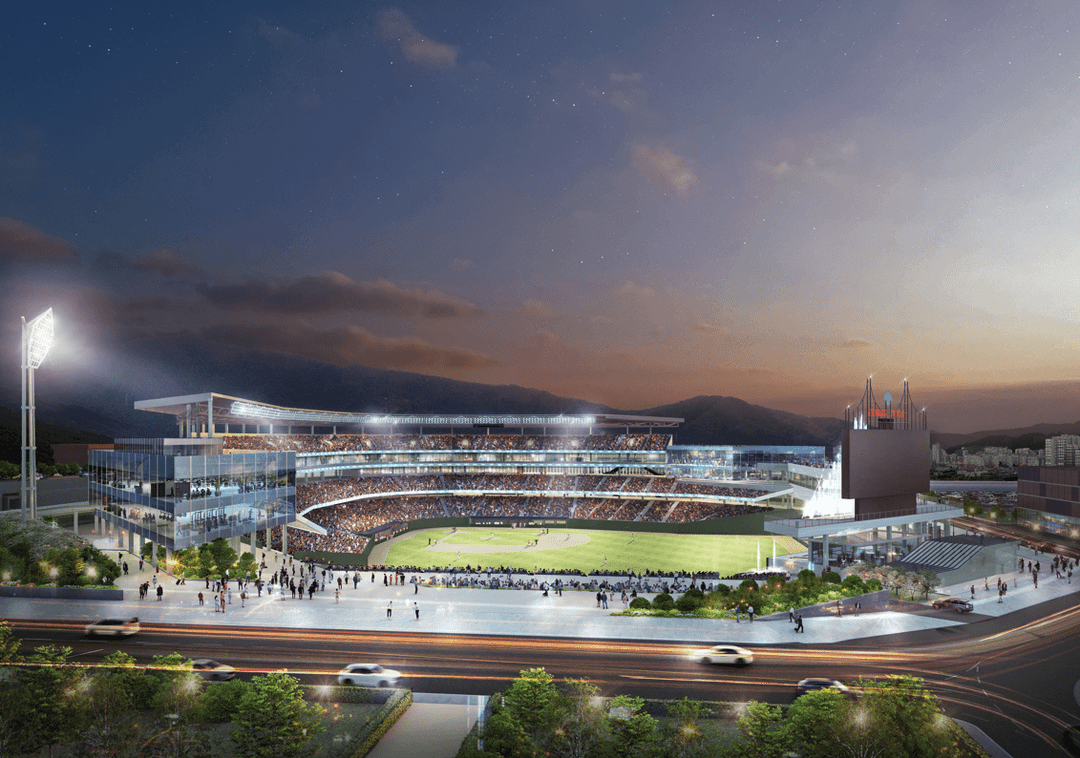
Busan, South Korea - Busan, a city deeply rooted in its vibrant baseball culture, is on the verge of a transformative decision. While plans to redevelop Sajik Baseball Stadium are well underway, an alternative proposal to construct a world-class baseball stadium in North Port is gaining attention. Advocates see this as a potential catalyst for urban renewal in Busan’s aging downtown, promising economic revitalization and cultural vibrancy.
Busan’s Sajik Baseball Stadium has long been a symbol of the city’s baseball heritage and a beloved venue for fans. Recently, the city announced an ambitious redevelopment plan to modernize Sajik while preserving its historical significance.
The new Sajik Stadium will feature an open-air design with a seating capacity of 21,000. Key innovations include family-friendly zones, kids’ sections, and noise-reducing "downfield" seating to minimize disruptions in the surrounding residential area. Beyond sports, the stadium is envisioned as a year-round cultural hub, hosting concerts, community programs, and various events.
Construction is set to begin in 2028, with completion targeted for 2031. "This redevelopment will honor Sajik’s legacy while transforming it into a modern landmark for Busan," said Mayor Park Heong-joon. The redevelopment is seen as a step forward in maintaining Busan’s position as a hub for Korean baseball culture.
A North Port Baseball Stadium
The North Port waterfront presents a rare chance to create a baseball stadium that is both functional and visually striking. Imagine a venue where games unfold against the backdrop of the open sea, offering an unparalleled experience for players and spectators alike. This one-of-a-kind feature could position Busan as a global destination for sports and tourism, setting it apart from other cities in Asia.
The ocean-view stadium would not only serve as a hub for baseball but also as a multi-purpose venue for concerts, cultural festivals, and international events. Its striking design and location would create an iconic image of Busan that resonates on the global stage.
| Aspect | Sajik Stadium Redevelopment | North Port Baseball Stadium |
|---|---|---|
| Location | Existing Sajik site | Waterfront in North Port |
| Cultural Significance | Honors Busan’s baseball heritage | Establishes a new sports and cultural icon |
| Economic Scope | Localized impact around Sajik area | Broader impact across North Port region |
| Community Benefits | Moderate revitalization | High potential for community renewal |
| Tourism and Global Appeal | Limited | High, with potential global recognition |
With its panoramic ocean views, the stadium would become a major draw for international and domestic tourists. It could host exhibition games, baseball tournaments, and global events that attract thousands of visitors, creating a steady influx of tourism revenue.
North Port and its adjacent areas face challenges such as population aging and economic stagnation. A state-of-the-art stadium could serve as the anchor for a vibrant urban district, fostering community engagement and attracting younger residents to live, work, and play in the area. This infusion of activity would help combat the region’s decline and reinvigorate its cultural and social landscape.
The proposed baseball stadium in North Port is envisioned as the centerpiece of a comprehensive redevelopment plan, transforming the area into a dynamic, multifunctional district. This vision aligns with ongoing projects in the North Port redevelopment, including the construction of the Busan Opera House and the development of various cultural and commercial facilities.
The North Port redevelopment includes the creation of parks, walking trails, and green areas that enhance the district's livability and offer scenic spaces for recreation. These spaces are designed to provide residents and visitors with accessible leisure options, promoting a healthy and sustainable urban environment.
The area is set to host cultural landmarks such as the Busan Opera House, which is currently under construction and expected to be completed by the end of 2026. This facility will feature a 1,800-seat main theater and a 300-seat small theater, serving as a venue for various performances and cultural events. Additionally, the redevelopment plan includes the establishment of museums, galleries, restaurants, and shopping centers, creating a lively urban environment for both residents and visitors.
Upgraded transportation links are being developed to ensure accessibility and connect North Port seamlessly to other parts of Busan. This includes the construction of new roads, bridges, and public transit options, facilitating easy movement within the district and enhancing its connectivity with the broader city.
This integrated approach not only maximizes the impact of the proposed stadium but also positions North Port as a model for sustainable urban growth, blending cultural, commercial, and recreational elements into a cohesive and vibrant community.
Why an Ocean-View Stadium Matters
The proposed ocean-view baseball stadium in North Port represents more than just a venue for sports—it encapsulates Busan’s identity as a city that balances tradition with modernity, innovation, and a deep connection to the sea. Situated alongside the upcoming Busan Opera House and surrounded by eco-friendly public spaces, this stadium would reflect the city’s maritime heritage, creating a unique space that resonates with both locals and visitors.
The stadium’s design could incorporate elements inspired by Busan’s coastal setting, such as open layouts with panoramic views of the ocean and sustainable features aligned with the North Port redevelopment’s eco-friendly goals. By integrating with existing and planned cultural landmarks, the stadium would become a focal point of a vibrant, multifunctional district that showcases Busan’s ambition to be a global leader in urban innovation and cultural enrichment.
Sajik Stadium’s redevelopment honors the past by preserving and modernizing a beloved local landmark, ensuring the continuation of Busan’s storied baseball heritage. However, the proposal for a North Port stadium offers an opportunity to embrace a bold and transformative vision for the city’s future.
With its ocean-view design, integration into the North Port redevelopment plan, and proximity to landmarks like the Busan Opera House, the proposed stadium could redefine Busan’s downtown. It would serve not only as a sports venue but also as a catalyst for economic growth, community revitalization, and global recognition.
By committing to Asia’s first ocean-view baseball stadium, Busan could set a new standard for urban development, ensuring its relevance and vitality for generations to come. The stakes are high, but so are the rewards. Busan’s future isn’t just on the horizon—it’s waiting at the water’s edge.
Continue this reporting
Reporting on the same issue
Related coverage selected from the article's desk, topics and newsroom relationships.
 NewsOct 16, 2026
What Is Still Worth Going to See?
Busan’s biennale faces questions of artistic judgment and institutional care....
 NewsOct 14, 2026
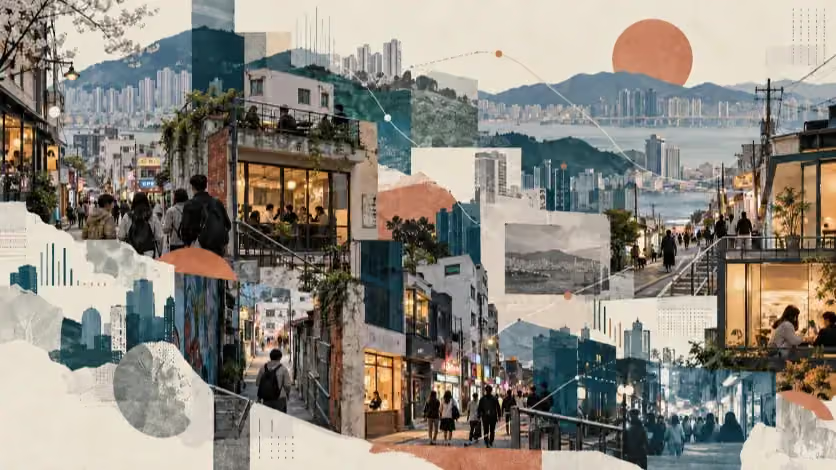
What Became of Busan’s University Streets?
From 2015 to 2023, registered businesses grew near Pusan National University...
 NewsOct 12, 2026
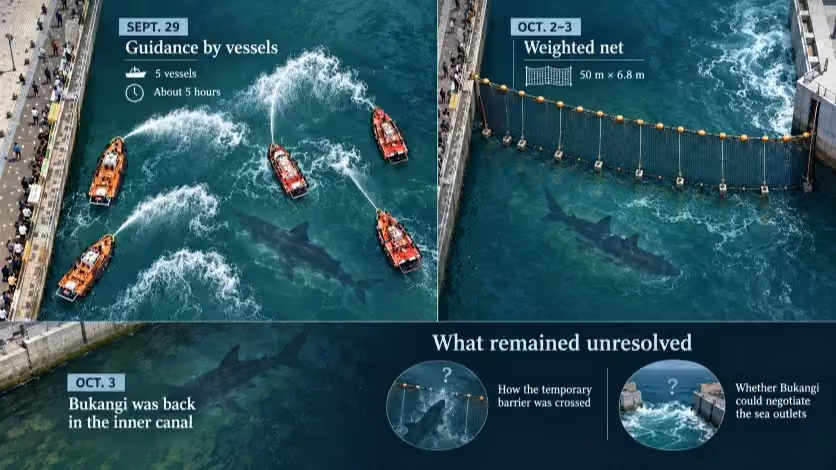
Bukangi, the Shark That Stayed in Busan’s North Port
A rescue net guided Bukangi toward the sea, but the dusky shark returned to B...
More from the author
More from this byline
Stay with the same line of reporting through more work from this byline.
 NewsOct 9, 2026
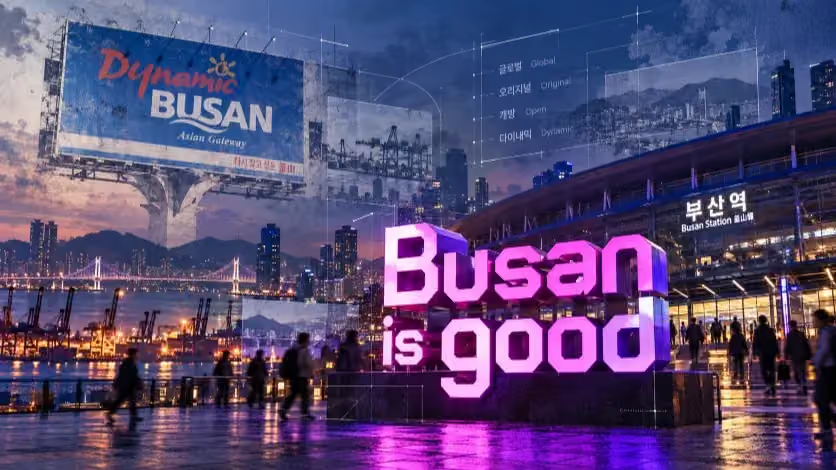
Why “Busan Is Good” Falls Short as a City Brand
 NewsSep 18, 2026
The Other AI Race Is for the Freedom to Change Course
Reader Signal
Community readWhat did this report leave you with?
Choose the signal that best reflects your reading. Select it again to remove it.
One response per article
No response selected
A moderated conversation about the reporting.
One-level replies and newsroom moderation keep the conversation anchored to this article.
Discussion Status
Open
Please sign in to join the discussion.
Newsletter
Weekly reporting and context from Busan and Korea.