Korea Reports Lowest COVID-19 Tally in 31 Weeks Amid Gradual Downtrend
South Korea has reported a decline in COVID-19 cases, with Friday's tally reaching the lowest in 31 weeks. The country recorded 14,961 new cases, including 28 from overseas, bringing the total caseload to 30,228,889, according to the Korea Disease Control and Prevention Agency (KDCA). This marks a significant decrease from the 31,711 infections seen a week earlier and is the lowest daily count for any Friday since July 1, 2020. In addition to the decline in cases, the number of critically ill p

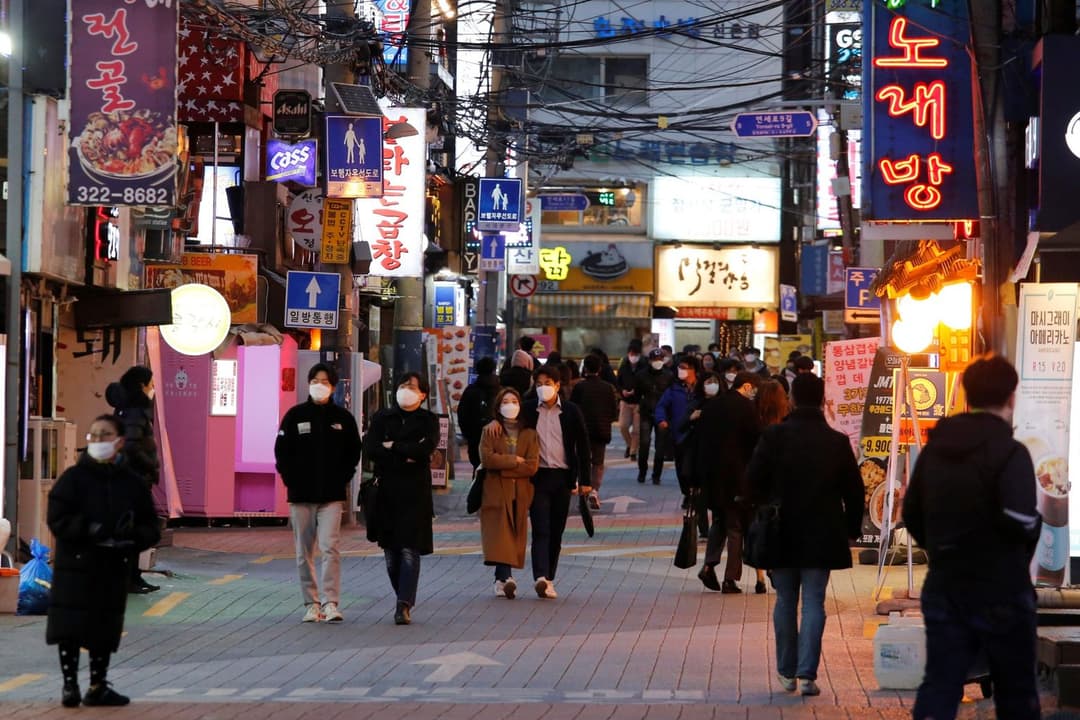
South Korea has reported a decline in COVID-19 cases, with Friday's tally reaching the lowest in 31 weeks. The country recorded 14,961 new cases, including 28 from overseas, bringing the total caseload to 30,228,889, according to the Korea Disease Control and Prevention Agency (KDCA). This marks a significant decrease from the 31,711 infections seen a week earlier and is the lowest daily count for any Friday since July 1, 2020.
In addition to the decline in cases, the number of critically ill patients has also decreased, with 339 patients reported as of Friday, down from 345 the previous day. The KDCA has attributed this downtrend to the passing of the winter wave and stated that the trend is expected to continue despite some fluctuations.
The government has taken steps to support the return to normalcy, with the indoor mask mandate being lifted on Monday, excluding hospitals, pharmacies, and public transportation. However, despite the decrease in cases, the internal affairs ministry has advised local governments to refrain from sending emergency phone messages to residents detailing the number of COVID-19 infections in their respective regions. This is due to some complaints over "unnecessary" warnings given the current virus situation and concerns that repeated alerts would prevent people from taking them seriously.
Second Vice Health Minister Park Min-soo emphasized that the government will maintain its guard and closely monitor new virus variants, prevent the inflow of the virus from overseas, and properly manage hospital beds. South Korea has implemented a seven-day mandatory quarantine for those infected with COVID-19, as well as several other restrictive measures, including curbs on entrants from China.
While South Korea has seen a significant decrease in COVID-19 cases, the government has stressed the importance of continued vigilance and monitoring in the face of new virus variants.
Continue this reporting
Reporting on the same issue
Related coverage selected from the article's desk, topics and newsroom relationships.
 NewsSep 20, 2026
What It Takes for U.S. Navy Repair Work to Become a Busan Industry
HJ Shipbuilding has brought U.S. Navy maintenance work to Yeongdo. Whether it...
 NewsSep 17, 2026
Busan’s Finished Homes, Unfinished Projects
Busan’s unsold homes sit in one monthly total, but they belong to very differ...
 NewsSep 16, 2026
Busan’s Young-Adult Migration Turns Sharply at 25–29
Busan can still draw young adults into the city, but keeping them becomes far...
More from the author
More from this byline
Stay with the same line of reporting through more work from this byline.
 NewsSep 18, 2026
The Other AI Race Is for the Freedom to Change Course
 NewsSep 5, 2026
How a Political Appointment Becomes a Judgment of Character
Editorial Record
Corrections, sourcing notes and newsroom disclosures remain part of the published record. View Newsroom Notes →
Reader Signal
Community readWhat did this report leave you with?
Choose the signal that best reflects your reading. Select it again to remove it.
One response per article
No response selected
A moderated conversation about the reporting.
One-level replies and newsroom moderation keep the conversation anchored to this article.
Discussion Status
Open
Please sign in to join the discussion.
Newsletter
Weekly reporting and context from Busan and Korea.