Fault Lines in Busan’s Housing Market: Polarization and Jeonse Fraud
Busan, South Korea - Beneath Busan’s vibrant urban landscape lies a housing market grappling with mounting pressures. Once regarded as a relatively stable and accessible sector, the city’s rental market is now defined by stark inequalities, rising fraud cases, and systemic vulnerabilities. From the widening gap in housing prices between affluent and struggling neighborhoods to the growing number of tenants filing leasehold registration orders to protect their rights, the challenges facing Busan’

Busan, South Korea - Beneath Busan’s vibrant urban landscape lies a housing market grappling with mounting pressures. Once regarded as a relatively stable and accessible sector, the city’s rental market is now defined by stark inequalities, rising fraud cases, and systemic vulnerabilities. From the widening gap in housing prices between affluent and struggling neighborhoods to the growing number of tenants filing leasehold registration orders to protect their rights, the challenges facing Busan’s housing sector reveal deeper structural flaws.
The Jeonse system, a unique rental arrangement central to South Korea’s housing market, has been a critical factor in this unfolding crisis. Unlike conventional rental systems, Jeonse relies on tenants providing a lump-sum deposit—often equivalent to 60% to 90% of a property’s value—instead of paying monthly rent. While this system has historically worked well in a stable housing market, its reliance on property value stability and landlord liquidity has made it increasingly fragile in today’s volatile economic climate.
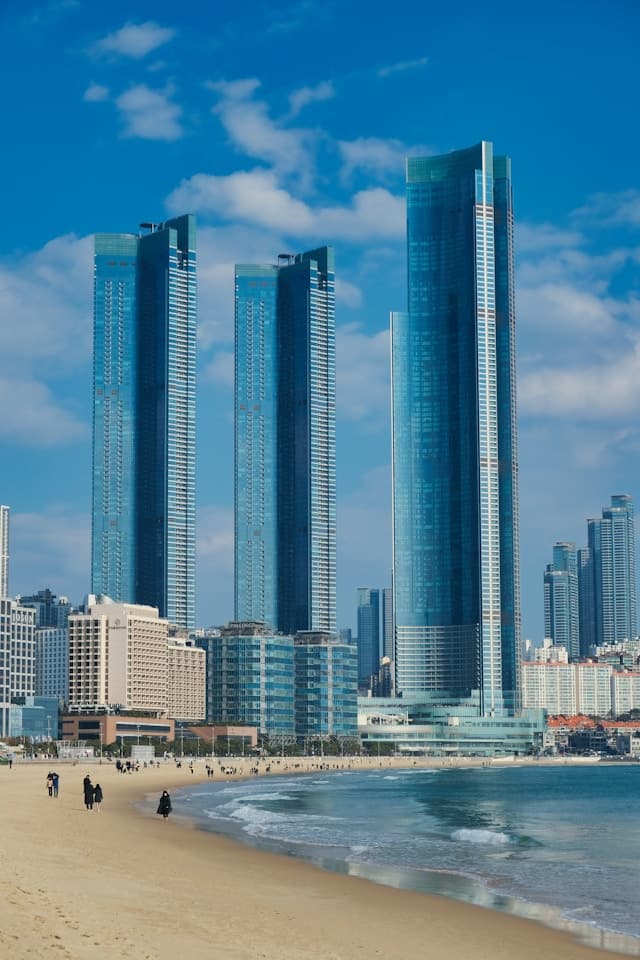
Housing polarization is one of the most visible symptoms of Busan’s housing crisis. Affluent districts like Haeundae and Suyeong have seen property prices soar by more than 20% over the past decade, driven by sustained demand and speculative investments. These areas have become emblematic of Busan’s economic vitality, offering luxury living and proximity to key business hubs. However, in districts like Yeongdo and Saha, property values have stagnated or declined, leaving landlords and tenants in a precarious position. The housing price quintile ratio, which measures the gap between high- and low-value properties, reached a record 6.6 in Busan in 2023, the highest among South Korea’s major cities. This growing divide has made it increasingly difficult for middle-income families to access quality housing, perpetuating cycles of inequality.
Adding to these challenges is the rise of Jeonse fraud, which disproportionately affects young adults, low-income households, and tenants in multi-family homes or newly built villas. Fraudsters exploit the lack of transparency in the Jeonse system, manipulating property ownership records or concealing outstanding liens and mortgages. Victims often discover too late that their landlords are insolvent or that the properties they live in are at risk of foreclosure. In some cases, tenants lose not only their homes but also their life savings, which were tied up in Jeonse deposits.
For those caught in disputes over unpaid deposits, leasehold registration orders have become a critical lifeline. This legal mechanism allows tenants to secure their claims in the property registry, ensuring their rights are prioritized over other creditors or buyers. In Busan, the number of leasehold registration orders has surged dramatically, with 2,964 applications filed in 2023—an 83% increase from the previous year. During the first four months of 2024, another 1,805 cases were filed, tripling the figure from the same period in 2023. While these orders offer temporary relief, they are not a guaranteed solution. Many tenants face months or years of legal battles to recover their deposits, highlighting the systemic gaps in tenant protections.
At the heart of these issues is the Jeonse system’s dependence on stable or rising property values. When property prices fall—a phenomenon known as reverse Jeonse—landlords often find themselves unable to return deposits. This creates a ripple effect, destabilizing both the rental market and the broader housing economy. Property price fluctuations are particularly pronounced in Busan, where speculative investments in high-demand districts contrast sharply with declining values in less developed areas. For tenants, this volatility translates into heightened uncertainty about the safety of their deposits.
The government has taken steps to address these challenges, introducing tools like the “Safe Jeonse App” to help tenants verify property ownership and liens. Financial assistance programs, such as the Jeonse Damage Tenants Housing Stability Support Fund, aim to provide relief to victims of fraud and reverse Jeonse. However, these measures often address symptoms rather than root causes. Critics argue that comprehensive reforms are needed, including the adoption of an escrow system to safeguard deposits, mandatory leasehold registration for all rental agreements, and stricter regulations on landlord borrowing practices.
The consequences of Busan’s housing instability extend beyond individual tenants and landlords. The city’s social fabric is at risk as housing polarization deepens inequalities, and trust in the Jeonse system erodes. Without meaningful action, the housing market’s fault lines could widen further, threatening economic stability and social cohesion.
Addressing these issues requires bold and coordinated efforts. Revitalizing underperforming neighborhoods with investments in public infrastructure, schools, and transportation could help bridge the gap between high- and low-value districts. Simultaneously, curbing speculative activities in high-demand areas and improving transparency in rental agreements could restore trust in the Jeonse system. As Busan navigates these challenges, finding a balance between protecting tenants and supporting landlords will be key to creating a more equitable and stable housing market.
The future of Busan’s housing market depends on decisive action. By addressing the systemic weaknesses exposed by this crisis, the city can ensure that its housing sector serves not just as a vehicle for economic growth, but as a foundation for social stability and inclusivity.
The Weekly Breeze
Keep pace with Busan's deep narratives.
Delivered every Monday morning.